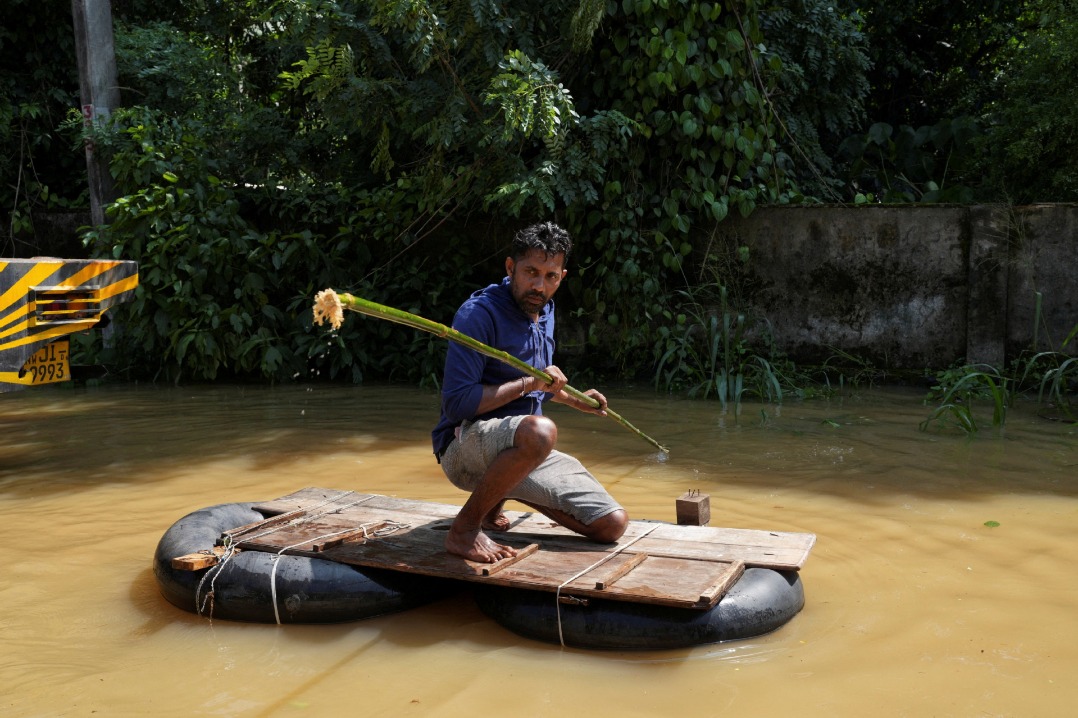
COLOMBO — Sri Lanka confronts a mounting humanitarian crisis as the official death count from Cyclone Ditwah has surged beyond 200 individuals, with hundreds more reported missing. The devastating storm system unleashed torrential rains and triggered catastrophic mudslides across the island nation throughout the past week, particularly ravaging its central regions.
Disaster response authorities reported on Sunday that at least 212 fatalities have been confirmed while 218 people remain unaccounted for. The full scale of destruction is gradually emerging as emergency crews work to clear roadways obstructed by debris and landslides, gaining access to previously isolated communities.
The capital city Colombo experienced severe flooding in its northern districts as the Kelani River swelled dramatically, submerging low-lying residential areas. Official sources from the Disaster Management Centre noted that although the cyclone has moved away, continued heavy precipitation in upstream areas continues to threaten riverside communities.
Personal accounts highlight the human tragedy unfolding across affected regions. Selvi, a 46-year-old resident of Colombo’s Wellawatta suburb, described abandoning her inundated home with her family’s possessions. ‘My house is completely flooded. I don’t know where to go, but I hope there is some safe shelter where I can take my family,’ she told reporters.
The national blood supply system has reached critically low levels according to medical officials. Lakshman Edirisinghe, director of the National Blood Transfusion Service, indicated that daily requirements of approximately 1,500 units have plummeted to just 236 units due to weather-related disruptions to collection campaigns.
President Anura Kumara Dissanayake has declared a state of emergency and formally requested international assistance to address the widespread devastation. The government’s response operations continue to face significant challenges in reaching affected populations.
In a separate development, thousands of demonstrators in the Philippines protested alleged corruption in flood-control infrastructure projects. The unrest reflects regional concerns about climate resilience and governmental accountability as Southeast Asian nations increasingly confront extreme weather events.