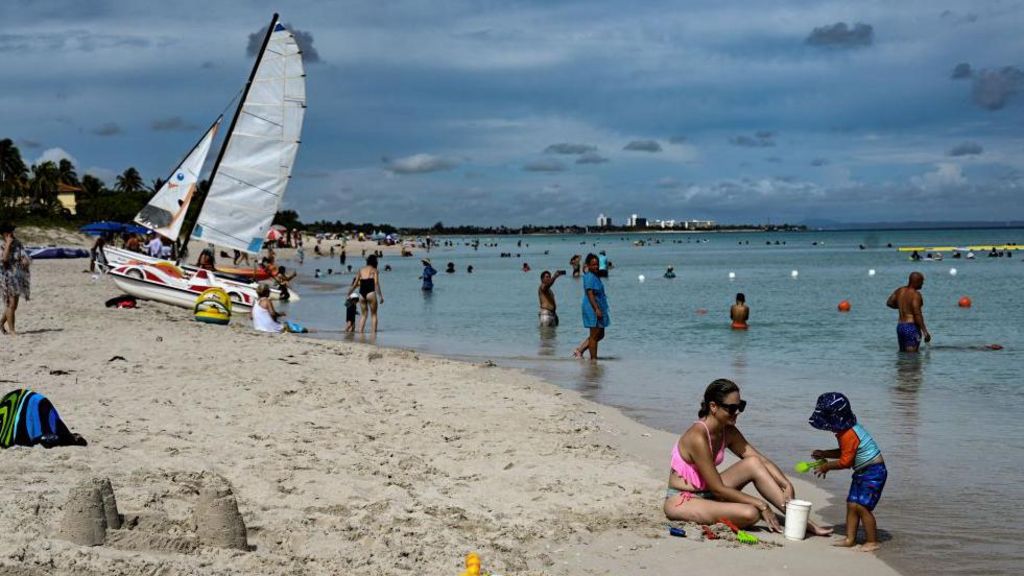
Tourism has long been a cornerstone of Cuba’s economy, but recent years have seen a dramatic decline in visitor numbers. The industry, which reached a peak of nearly five million tourists in 2018, has been severely impacted by the COVID-19 pandemic and stringent travel restrictions imposed by the Trump administration. Last year marked one of the worst for Cuban tourism this century, exacerbating the island’s economic woes. With traditional industries like sugar, tobacco, and nickel in decline, tourism remains Cuba’s primary source of foreign currency after remittances. However, fewer tourists mean less revenue for the state, hindering investments in crumbling energy infrastructure and essential goods like food and medicine. Cuba’s traditional allies, Venezuela and Russia, are grappling with their own economic challenges, while China’s focus on larger geopolitical issues limits its support. Cuban Tourism Minister Juan Carlos García Granda acknowledges the industry’s struggles but remains optimistic, claiming that the government has halted the decline and expects improved statistics in the second quarter of this year. He attributes the ongoing challenges to the ‘economic war’ waged by the United States, which has implemented measures specifically designed to harm Cuba’s tourism sector. These include banning US cruise ships from docking in Cuban ports and reclassifying Cuba as a State Sponsor of Terrorism, which complicates travel for UK and European tourists. Despite these obstacles, García Granda insists that Cuban tourism is ‘alive and kicking,’ with over 70% of the industry supported by foreign investment. However, the government’s ambitious hotel-building program, including the controversial Torre K in Havana, has drawn criticism for its extravagance amid widespread economic hardship. While García Granda defends the projects as necessary for attracting tourists, many Cubans question the prioritization of luxury hotels over urgent public needs. As Cuba navigates its deepest economic crisis since the Cold War, the future of its tourism industry remains uncertain, with García Granda hopeful that better times lie ahead.