HAVANA — As Washington intensifies its economic pressure campaign against Cuba, citizens across the communist-led island are adopting innovative survival strategies to counter what experts characterize as a deliberate attempt to trigger popular unrest and governmental change.
The economic stranglehold has tightened considerably following recent disruptions to vital Venezuelan oil shipments after US interventions in Caracas. While the full impact of these energy shortages remains impending, Cubans are proactively transforming their lifestyles in anticipation of further hardships.
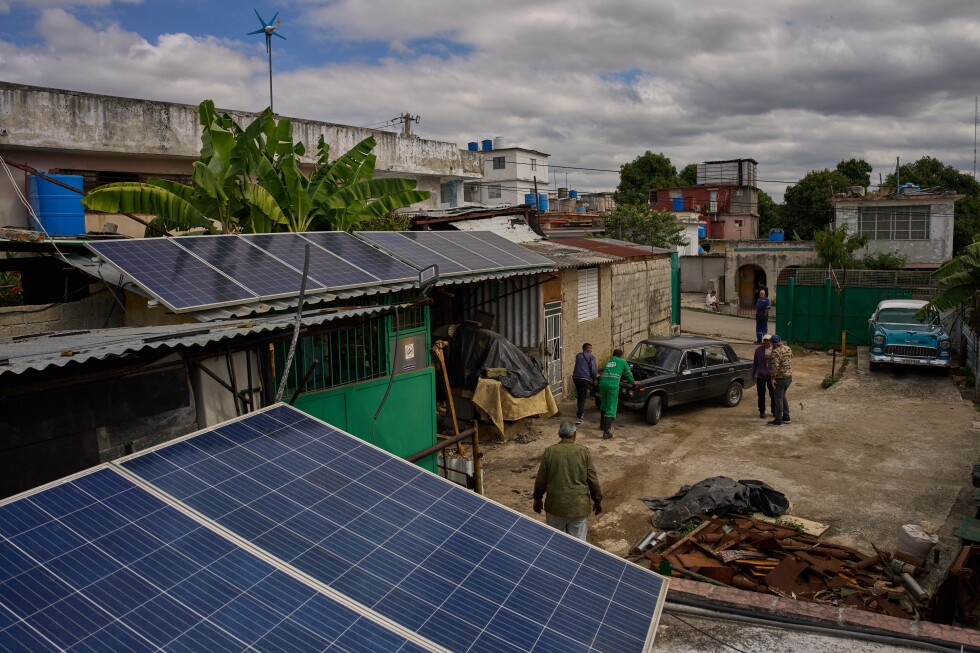
Across the island, a quiet revolution in self-reliance is underway. Urban residents are installing solar energy systems, rural communities are returning to subsistence farming, and many are consciously adopting simpler technologies that bypass petroleum dependencies.
Jose Ángel Méndez Faviel exemplifies this trend, having relocated from central Havana to a farm in Bacuranao to escape the nation’s severe blackouts. “It’s how you survive,” Méndez explained. “It’s best to depend on yourself.” His new agrarian lifestyle enables cooking with firewood and charcoal—impossible in his former darkened city apartment.
Méndez remains uncertain about President Trump’s specific threats against Cuba but refuses to gamble with his family’s welfare. He has begun stockpiling gasoline, charcoal, and homegrown produce cultivated on his farm. The practical farmer is even considering repurchasing the horse he previously sold, recognizing that “You don’t need fuel for a horse. We need to go back in time.”
The current crisis compounds existing challenges including chronic blackouts, hyperinflation, and scarcity of basic goods. President Trump’s recent executive order imposing tariffs on nations supplying oil to Cuba has amplified fears of catastrophic economic collapse, with the president himself declaring Cuba “very close to failing.”
Yet many Cubans dismiss such predictions, particularly those who endured the 1990s “Special Period” following Soviet aid reductions. Yadián Silva, a nurse and classic car driver who has witnessed tourism’s dramatic decline, articulated the prevailing sentiment: “We have problems, and we know we have a lot of problems. But when things happen in Cuba, it’s because people truly feel they should happen. Not because someone from the outside says, ‘do this.’”
This defiance manifested visibly during recent commemorations for national hero José Martí, where tens of thousands of torch-bearing Cubans, predominantly university students, marched through Havana. Sheyla Ibatao Ruíz, a 21-year-old law student, declared: “We are a dignified people, a people eager to move forward, eager to prosper, who do not believe in threats and are not intimidated by any reprisals from the enemy.”
Meanwhile, technological innovation flourishes within the constraints. Ángel Eduardo launched “Con Voltage,” a solar installation business, after frustration with studying in darkness hampered his engineering education. Utilizing social media and AI tools like ChatGPT, Eduardo has installed dozens of solar systems across Cuba, experiencing surging demand since Venezuelan oil disruptions began.
For older entrepreneurs like 62-year-old Niuvis Bueno Zavala, adaptation means exploring new revenue streams for her seaside drink stall. “I’ve never had it this hard,” she confessed, contemplating homemade food sales amid economic blockade.
The sentiment resonates with retired pilot Pedro Carbonell, who recently waited over two hours for gasoline. “If we don’t have fuel, then we’ll ride bicycles,” he stated, echoing the resilience of the Special Period. “Our wine is bitter. But it’s our wine. And we don’t want anyone from somewhere else coming here and telling us how to drink our wine.”