President Donald Trump has identified Cuba as the next priority on his foreign policy agenda following ongoing tensions with Iran, declaring the communist nation is poised for imminent collapse. In a phone interview with CNN, Trump revealed his administration’s intensified focus on Cuba after what he described as 50 years of waiting for political change.
The president specifically designated Secretary of State Marco Rubio, whose parents emigrated from Cuba, as his principal advisor on Cuban affairs. Both officials have openly expressed their commitment to regime change in Havana, mirroring their previous approach toward Venezuelan leader Nicolas Maduro.
This renewed pressure coincides with recent diplomatic engagements between U.S. officials and Cuban religious leaders. Rob Allison, the State Department’s coordinator for Cuban affairs, alongside charge d’affaires Mike Hammer, met with Cardinal Juan de la Claridad and Bishop Arturo Gonzalez to discuss humanitarian assistance and necessary reforms.
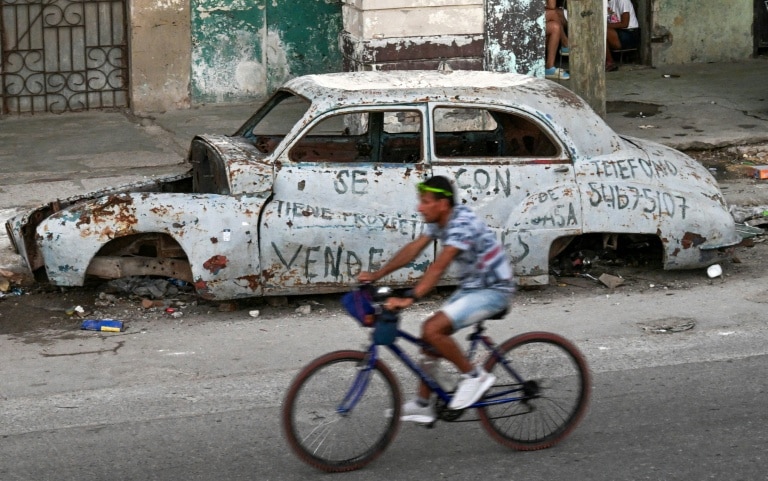
The Trump administration has implemented an energy blockade that has severely impacted Cuba’s economy since January, resulting in suspended oil shipments, airline cancellations, and widespread power outages. While Washington recently permitted limited oil imports through private companies, Cuba continues to experience severe shortages of fuel, medicine, and food.
The Catholic Church has historically mediated between the two nations, having facilitated the diplomatic normalization under President Obama in 2015 and a prisoner exchange agreement with the Biden administration. However, Trump reinstated Cuba’s designation as a state sponsor of terrorism immediately upon returning to office in January 2025, reversing previous diplomatic progress.