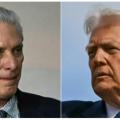
Cuban President Miguel Diaz-Canel has issued a firm denial regarding any diplomatic negotiations with the United States government, directly contradicting claims made by former President Donald Trump. The Caribbean nation’s leadership has adopted a defiant stance following Trump’s threats of unspecified actions should Cuba refuse to ‘make a deal’ in the wake of Venezuelan leader Nicolas Maduro’s capture.
Trump intensified pressure on Cuba through statements made aboard Air Force One and on his Truth Social platform, declaring an immediate cessation of all Venezuelan oil and financial support to Havana. The former president warned Cuba to negotiate ‘BEFORE IT IS TOO LATE,’ though he provided no specifics about the proposed terms or consequences of non-compliance.
President Diaz-Canel clarified that beyond technical migration contacts, no substantive discussions exist between the two governments. In a show of national resolve, he affirmed Cuba’s readiness to ‘defend the homeland to the last drop of blood,’ underscoring the gravity of the escalating tensions.
This confrontation revives historical animosities dating to the 1959 Cuban Revolution and the subsequent missile crisis that brought the world to the brink of nuclear war. The Trump administration previously reversed the détente initiated by President Obama, and the current developments signal a further deterioration in bilateral relations.
The economic dimension adds complexity to the standoff. Cuba faces its most severe economic crisis in decades, exacerbated by the loss of subsidized Venezuelan oil. Interestingly, reports indicate Mexican oil exports to Cuba have recently surpassed those from Venezuela, potentially offering Havana an alternative energy source.
The political landscape is further complicated by the involvement of figures like Senator Marco Rubio, whom Trump humorously suggested could serve as Cuba’s president. Rubio, a longtime critic of Cuba’s communist government, has consistently advocated for aggressive policies toward the island nation.