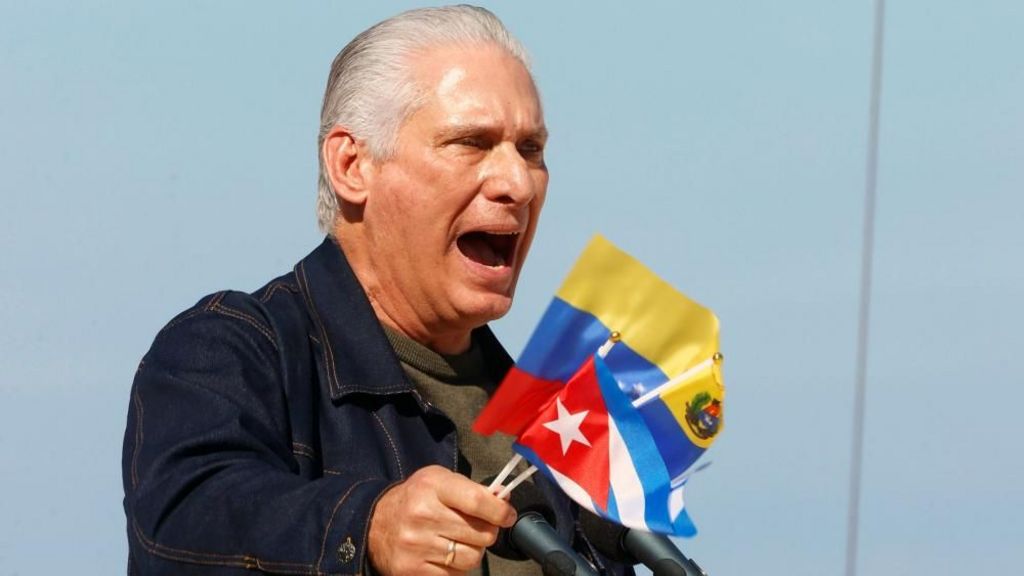
The United States’ military operation in Venezuela, which forcibly removed President Nicolás Maduro, has sent seismic shockwaves through Havana, threatening to sever a vital economic lifeline and destabilize Cuba’s socialist government. The two nations have been ideological and economic partners since 1999, when Hugo Chávez and Fidel Castro forged an alliance that exchanged Venezuelan crude oil for Cuban medical expertise and security support.
The depth of this symbiosis was starkly revealed when 32 Cuban nationals, constituting Maduro’s primary security detail, were killed during the US operation. Their deaths exposed the extensive penetration of Cuban intelligence and military personnel within Venezuela’s state apparatus, a fact long denied by Havana but frequently alleged by freed political prisoners.
With Maduro’s ouster, Cuba now confronts an existential crisis. The island nation, already grappling with its most severe economic downturn since the Cold War, faces the imminent threat of its oil supply being severed. Venezuela has been providing an estimated 35,000 barrels per day—a subsidy that Russia and Mexico cannot match. The Trump administration’s tactic of seizing sanctioned oil tankers has already exacerbated crippling fuel and electricity shortages, leading to nationwide blackouts, food spoilage, and a devastating outbreak of mosquito-borne diseases that is overwhelming Cuba’s once-vaunted healthcare system.
The political future looks equally precarious. US Secretary of State Marco Rubio, a key architect of the administration’s Latin America policy, has framed the region as America’s ‘backyard’ and expects total compliance from Venezuela’s new acting president, Delcy Rodríguez. President Trump has threatened further interventions, even naming this aggressive new foreign policy approach the ‘Donroe Doctrine’ in a provocative reference to the 19th-century Monroe Doctrine.
While Cuban President Miguel Díaz-Canel has declared national mourning for the fallen and condemned the US operation as imperialist kidnapping, the government faces a bleak new reality. The strategy of leveraging a pliant government in Caracas to ultimately achieve regime change in Havana is now openly articulated in Washington, signaling a dangerous new chapter for US-Cuba relations and for the entire Latin American region.