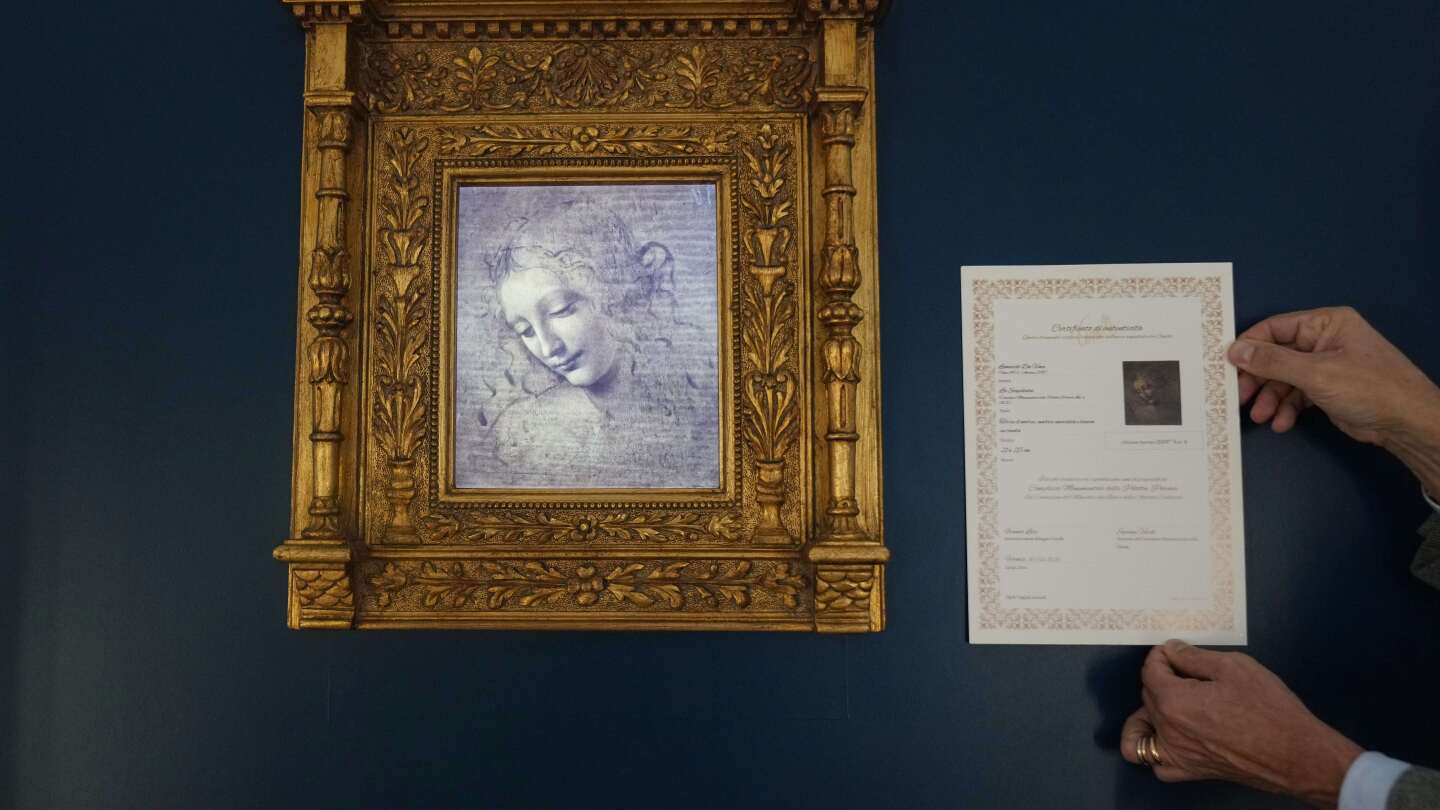
In an innovative fusion of art preservation and digital technology, Italian cultural organization Save the Artistic Heritage has launched a groundbreaking initiative offering certified digital reproductions of Renaissance masterpieces. Partnering with technical firm Cinello, the project enables affluent collectors to acquire precisely scaled digital replicas of iconic artworks, complete with authentication certificates signed by participating museums.
The initiative addresses the financial challenges facing cultural institutions by implementing a revenue-sharing model that returns 50% of profits to source museums. Prices for these limited-edition digital artworks range from €30,000 to €300,000 (approximately $35,000-$347,000), with each masterpiece restricted to just nine certified copies—a number referencing traditional sculpture reproduction standards.
Current offerings include Leonardo da Vinci’s ‘Lady with Disheveled Hair’ from the Pilotta Museum in Parma, priced at €250,000, alongside approximately 250 other Italian artworks from prestigious institutions including Milan’s Pinacoteca Ambrosiana and Naples’ Capodimonte Museum.
The technology delivers exceptional visual fidelity through backlit screens matched to original dimensions in replica frames. While lacking physical texture, the reproductions reveal meticulous brushstroke details with remarkable luminosity. Milan’s Brera Art Gallery director Angelo Crespi notes the copies generate significant interest while remaining clearly identifiable as digital representations upon close inspection.
This venture continues Italy’s historical leadership in art reproduction technologies, extending from the Alinari Archive’s photographic collections to the Vatican Museums’ high-resolution documentation of the Sistine Chapel. The model has already generated €300,000 for partner institutions over two years, providing crucial funding alternatives for museums like Brera, which receives only 10% of its €14 million budget from government sources.
With patents secured across Europe, the United States, and China, organizers plan international expansion including a forthcoming U.S. nonprofit branch. Future ambitions include ‘Impossible Exhibitions’ featuring rarely loaned masterpieces, potentially bringing museum-quality experiences to remote global locations through digital dissemination.