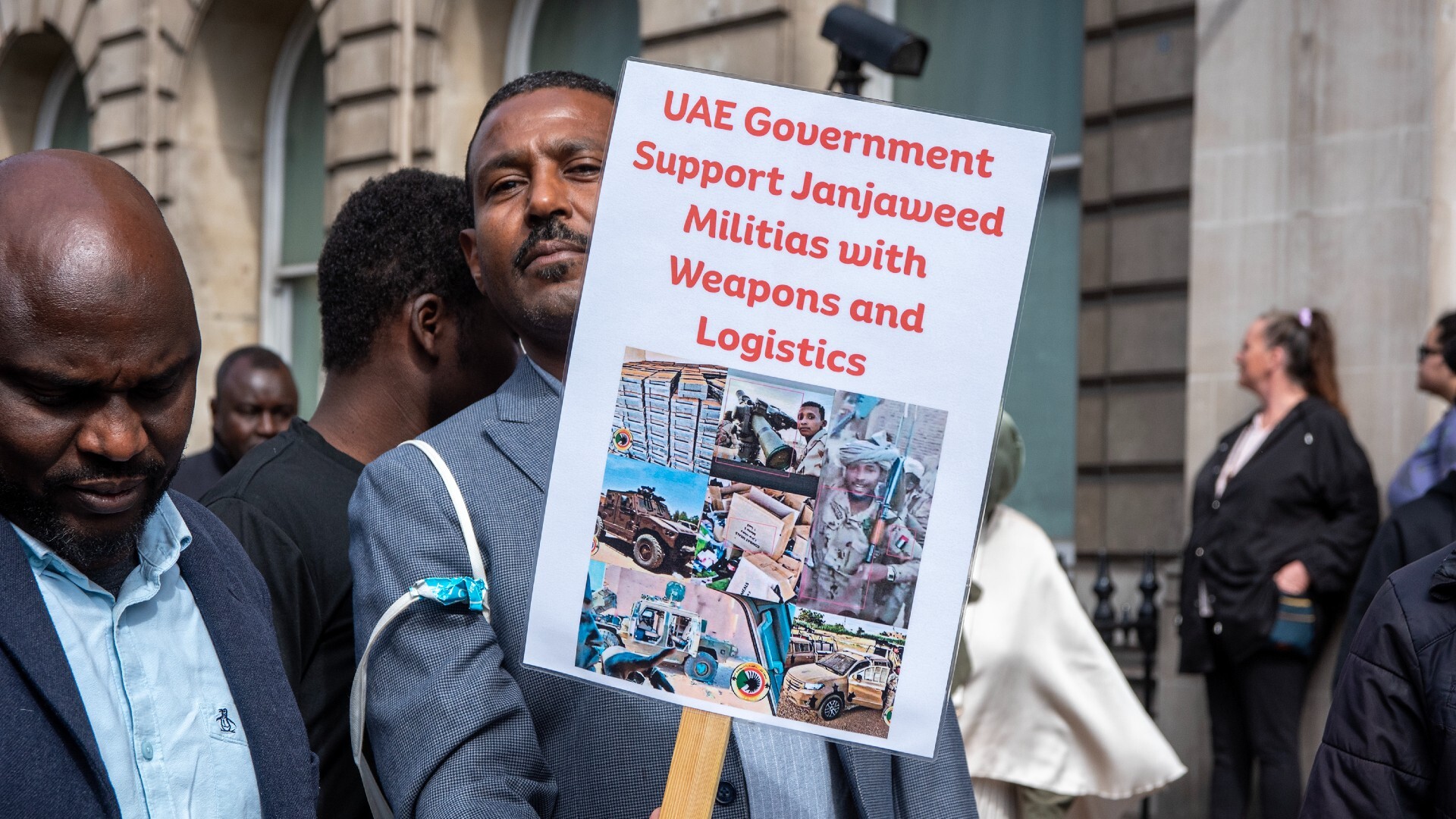
The Rapid Support Forces (RSF), a notorious paramilitary group in Sudan, has been accused of committing massacres in el-Fasher, the capital of North Darfur. This has reignited allegations against the United Arab Emirates (UAE) for its alleged complicity in these atrocities. While the International Court of Justice dismissed a case against the UAE due to lack of jurisdiction, the International Criminal Court (ICC) continues its investigation into crimes in Sudan, focusing on individuals rather than states. The ICC’s jurisdiction over Darfur, established by UN Security Council Resolution 1593, allows it to prosecute individuals for crimes committed in the region, including those who aided or abetted such crimes. However, prosecuting Emirati officials would face significant legal and logistical challenges, as neither Sudan nor the UAE are parties to the ICC’s founding treaty, the Rome Statute. Experts suggest that while the legal basis exists, gathering sufficient evidence and securing cooperation from the UAE would be major hurdles. Recent investigations have linked the UAE to the supply of weapons to the RSF, raising questions about its role in facilitating these crimes. The ICC’s ability to prosecute Emirati nationals hinges on proving their direct involvement in aiding the RSF’s atrocities in Darfur.