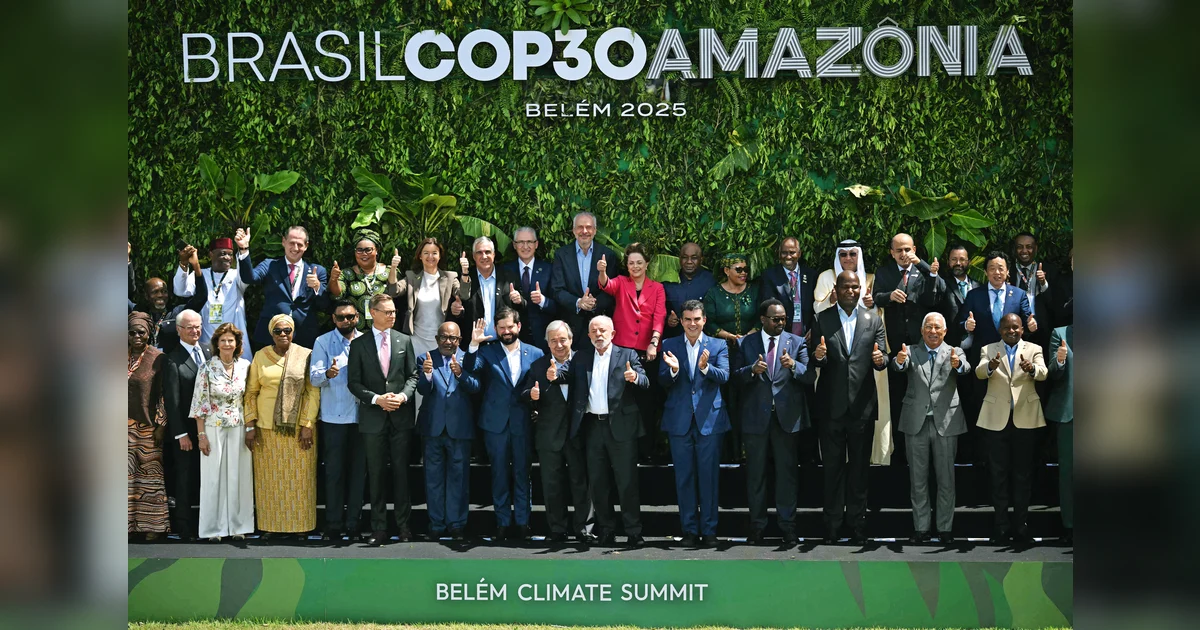
The 30th UN Climate Change Conference (COP30) commenced on November 10, 2025, in Belém, Brazil, marking a pivotal moment in the global fight against climate change. Hosted at the gateway to the Amazon rainforest, the summit brings together leaders from nearly 200 countries to accelerate efforts on emissions reduction, renewable energy, and climate justice. This year’s conference holds particular significance as it returns to Brazil, the birthplace of the UN Framework Convention on Climate Change (UNFCCC) signed at the 1992 Rio Earth Summit. COP30 is not just another diplomatic gathering but a reckoning with unmet promises and a call for concrete action. Brazil’s presidency has emphasized the need to deliver on past commitments, including phasing out fossil fuels, scaling up renewable energy, and mobilizing climate finance for developing economies. The summit is expected to acknowledge the world’s failure to stay below the 1.5°C threshold, a critical tipping point for catastrophic climate impacts. COP30 also highlights the importance of protecting natural ecosystems, with a focus on inclusion, equity, and environmental justice. The event’s agenda is structured around six key themes: emissions reduction, adaptation, climate finance, renewable energy, biodiversity preservation, and climate justice. Thematic days will delve into topics such as cities, infrastructure, health, energy transition, and food systems, with a closing emphasis on the role of science and technology in driving climate solutions. Participants include representatives from governments, NGOs, academia, and civil society, with a strong presence from the Global South, including the BASIC group (Brazil, South Africa, India, and China). As the first COP held in the Amazon, COP30 symbolizes the urgent need to protect the planet’s vital ecosystems and ensure a sustainable future for all.