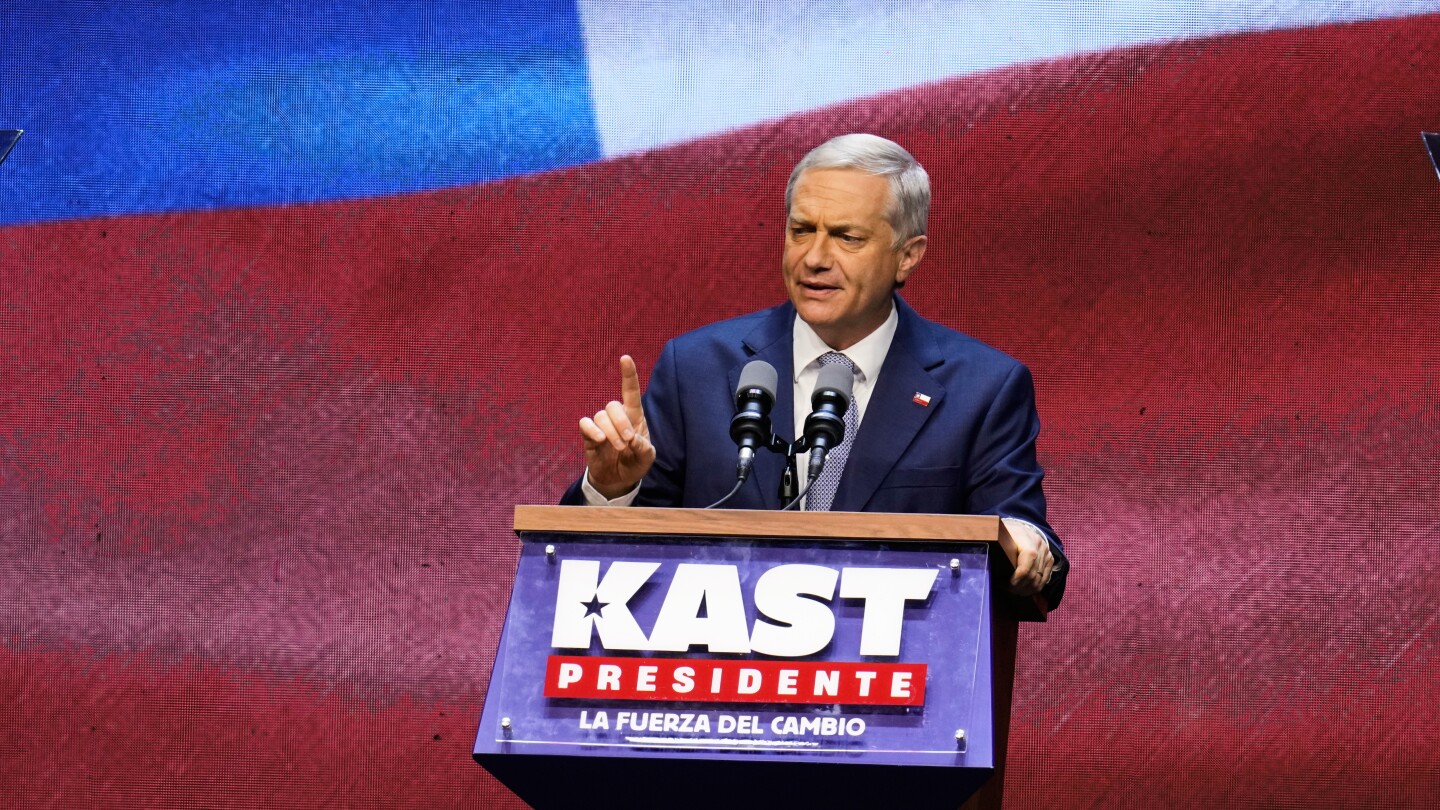
SANTIAGO, Chile — Chile has dramatically pivoted toward conservative governance with the election of José Antonio Kast, a veteran politician whose hardline stance on crime, immigration, and social policy has drawn comparisons to Donald Trump. This outcome marks a significant departure from the country’s recent liberal trajectory and reflects a broader regional realignment toward right-wing leadership across South America.
Kast, a 59-year-old conservative stalwart, secured a decisive electoral victory by capitalizing on widespread public discontent over rising organized crime, economic stagnation, and uncontrolled migration. His success represents a remarkable political comeback, given his previous failed presidential bids in an increasingly progressive nation. Kast has expressed admiration for Chile’s Pinochet-era military dictatorship, opposed same-sex marriage, and advocated for constitutional bans on abortion—positions that previously limited his appeal but now resonate with voters seeking strong leadership.
This electoral shift occurs against a backdrop of regional transformation. Across South America, voters are rejecting left-wing incumbents and embracing conservative alternatives. Argentina’s anarcho-capitalist President Javier Milei, Ecuador’s iron-fisted leader Daniel Noboa, and Bolivia’s right-wing President Rodrigo Paz exemplify this trend, which has effectively ended nearly two decades of socialist dominance in several nations.
Harvard political scientist Steven Levitsky observes, ‘The last decade has been rough. Those in power—predominantly left-wing governments—are being blamed for stagnant economies, rising crime perceptions, and not insignificant corruption.’
The defeat of Kast’s communist rival, Jeannette Jara from the center-left governing coalition, underscores the depth of public frustration with President Gabriel Boric’s administration. Despite initial promise, Boric’s government faced legislative defeats, corruption scandals, and escalating crime that derailed his transformative agenda.
Kast’s victory celebration featured symbolic displays of alignment with global conservatism, including American flags, ‘Make Chile Great Again’ caps, and banners supporting Milei’s ideological movement. Like Milei and Brazil’s former President Jair Bolsonaro, Kast has been a featured speaker at the Conservative Political Action Conference, where he has denounced socialism, criticized ‘gender ideology,’ and promised mass deportations.
Despite his hardline reputation, Kast positioned himself as a moderate during the runoff election, promising to preserve social benefits and maintain Chile’s free-market institutions. His campaign focused primarily on crime and immigration, successfully appealing to middle-class voters who viewed him as the candidate most likely to deliver tangible results.
In his first address as president-elect, Kast struck a conciliatory tone, promising to ‘be the president of all Chileans’ and surprising critics with his commitment to unity. This victory represents not just a political change but a fundamental reorientation of Chilean politics with potentially far-reaching implications for the region’s geopolitical landscape.