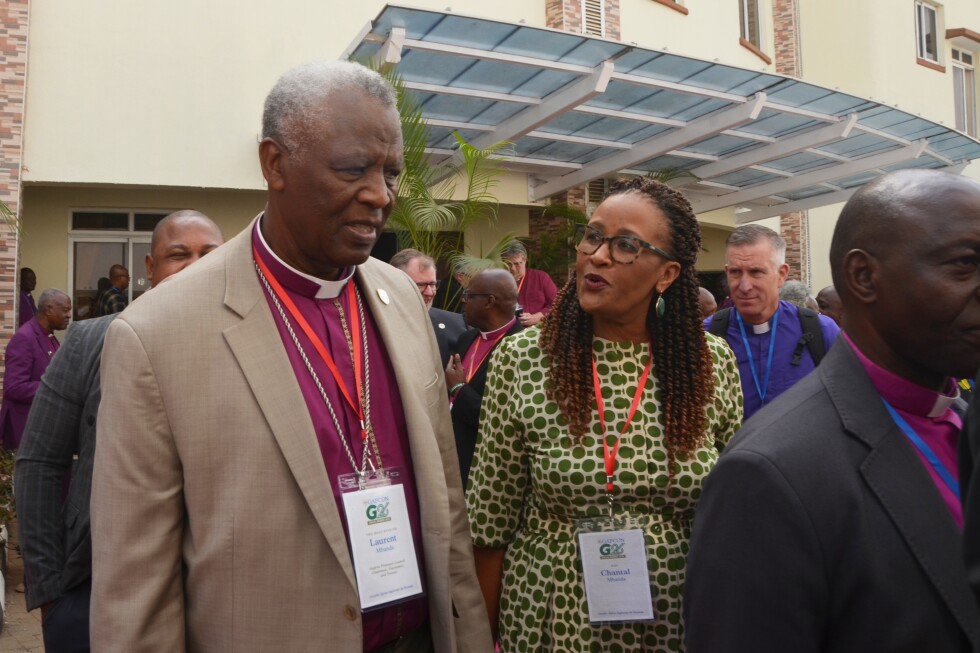
ABUJA, Nigeria — In a significant restructuring move that signals a substantial departure from established Anglican traditions, conservative global Anglican leaders have fundamentally reorganized their institutional framework. During a major gathering in Nigeria’s capital, the Global Anglican Future Conference (Gafcon) announced the dissolution of its previous Gafcon Primates Council and established the new Global Anglican Council as its replacement.
The newly formed council will incorporate primates, advisers, and guarantors—comprising bishops, clergy, and lay members—all granted equal voting rights. This revolutionary governance model represents a dramatic shift from traditional Anglican hierarchy. The Right Reverend Paul Donison, Gafcon’s general secretary, emphasized that the council chairman, while being a primate, would not function as ‘primus inter pares’ (first among equals), marking a departure from centuries of Anglican tradition.
The Abuja conference attracted 436 delegates from 48 nations, representing more than 180 dioceses worldwide. This substantial participation underscores the global reach of the conservative movement within Anglicanism. The restructuring emerges from longstanding tensions between conservative and liberal factions within the communion, particularly regarding theological interpretation and social issues.
Archbishop Laurent Mbanda from Rwanda, unanimously elected to chair the new Global Anglican Council, articulated the necessity of rejecting previous instruments that ‘have not worked for us.’ The conservative bloc has consistently opposed progressive developments within European and North American Anglican churches, including same-sex marriage and the ordination of openly LGBTQ+ clergy.
This institutional transformation represents the latest development in decades of escalating division within the worldwide Anglican Communion. The restructuring specifically challenges the traditional leadership role of the Archbishop of Canterbury, currently held by Sarah Mullally, the first woman to occupy this spiritual leadership position. Last year, Mbanda had explicitly called for a comprehensive ‘reordering’ of the Anglican Communion, indicating that the current changes represent the implementation of that vision.