While the Trump administration demonstrates diplomatic softening toward China to preserve trade war détente, the U.S. Congress is advancing assertive measures through the National Defense Authorization Act (NDAA) that signal a hardened long-term competition strategy. The House-approved $900 billion defense bill, now advancing to the Senate, incorporates multiple China-focused provisions that contrast sharply with the White House’s recent conciliatory gestures.
The legislation mandates heightened scrutiny of American investments in Chinese technological sectors that could enhance military capabilities, including quantum computing, artificial intelligence, and semiconductors. It further prohibits federal funds from being allocated to blacklisted Chinese biotechnology companies, addressing concerns about genetic data security and pharmaceutical supply chain vulnerabilities. The bill significantly amplifies support for Taiwan, authorizing increased security cooperation funding and endorsing the island’s bid for International Monetary Fund membership.
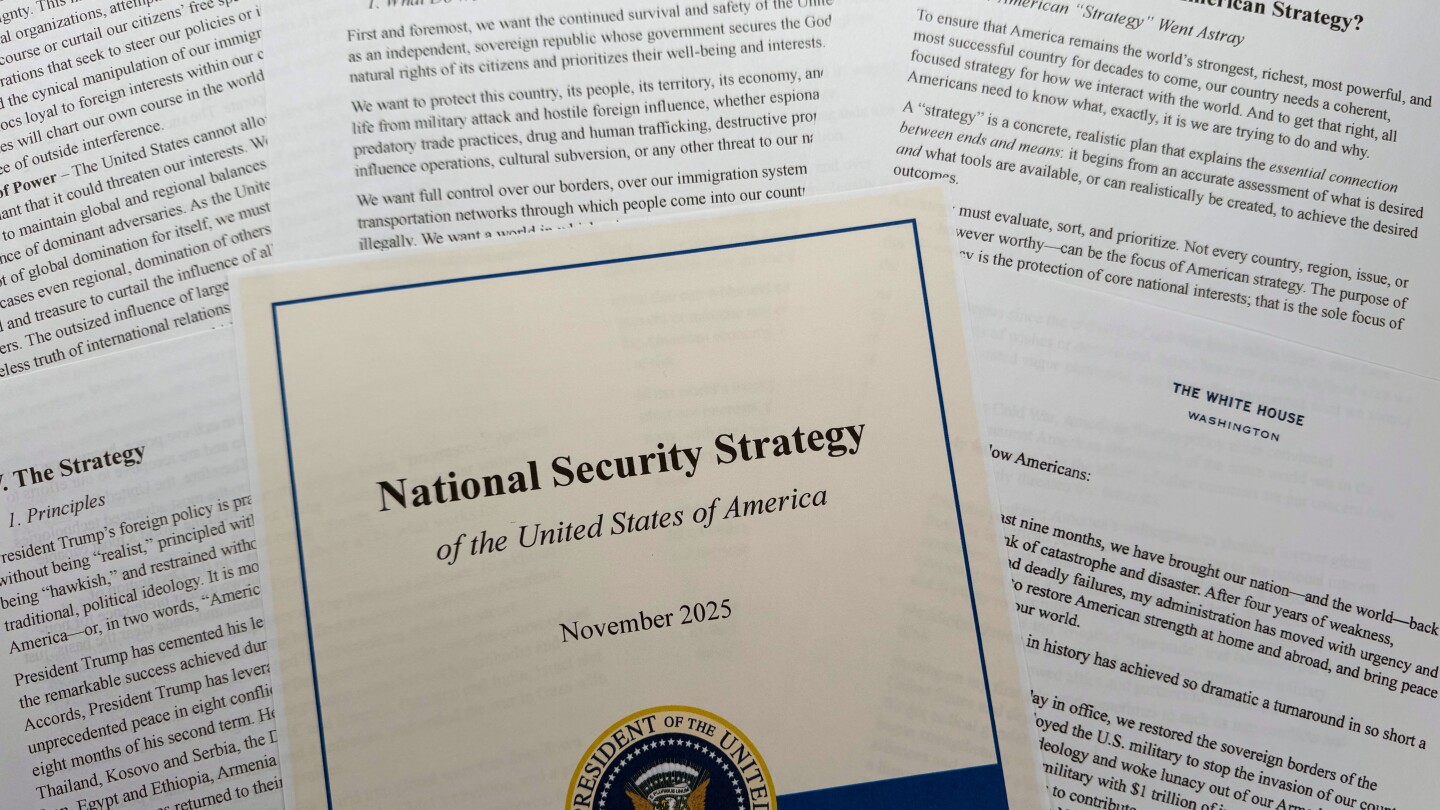
Representative Raja Krishnamoorthi, leading Democrat on the House Select Committee on the Chinese Communist Party, characterized these measures as reflecting “a serious, strategic approach to countering the Chinese Communist Party” that diverges markedly from recent White House positioning. The administration recently permitted Nvidia to export advanced computer chips to China and eliminated Biden-era language identifying China as a strategic threat in its national security strategy.
Chinese officials vehemently condemned the legislation, with embassy spokesperson Liu Pengyu denouncing its “China threat narrative” and warning of damaged bilateral relations. Meanwhile, policy analysts note the provisions would establish foundational competitiveness policies that future administrations would find difficult to reverse, creating structural barriers to economic decoupling regardless of diplomatic rhetoric.
The NDAA’s biotechnology provisions replace earlier failed legislation that specifically named Chinese companies, instead tasking the Office of Management and Budget with compiling a dynamic list of “biotechnology companies of concern” while expanding Pentagon investments in domestic biotech capabilities.