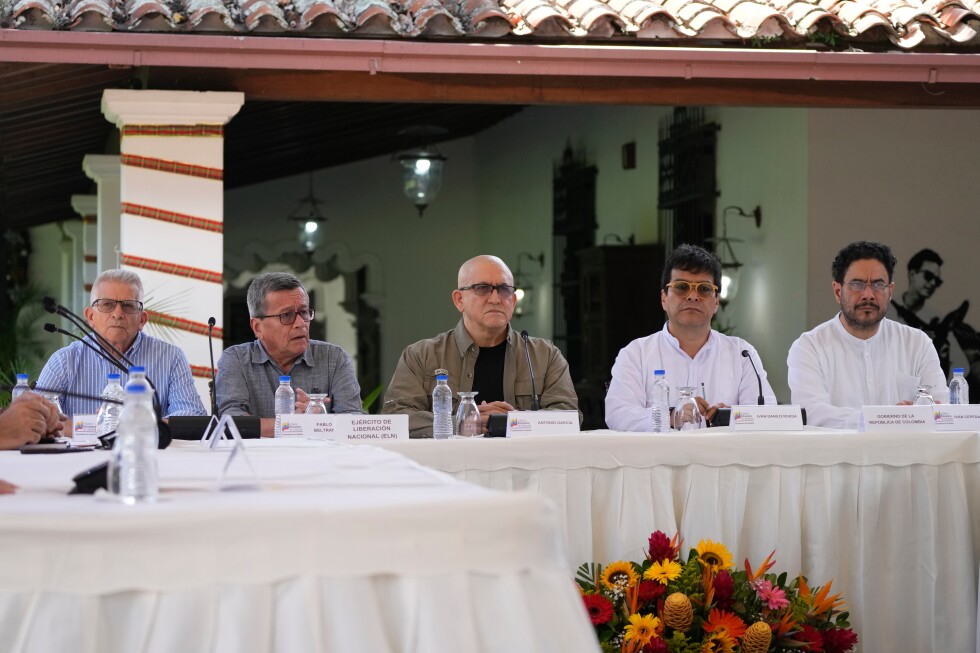
BOGOTA, Colombia — In a significant political development, Colombia’s National Liberation Army (ELN) has announced a unilateral ceasefire preceding next month’s crucial congressional elections. The country’s largest remaining rebel organization declared it would suspend hostilities against military and electoral authorities to facilitate public voting “in liberty,” though the ceasefire’s duration remains unspecified.
The declaration emerges against a backdrop of escalating electoral violence targeting candidates in rural regions. The ELN utilized its official communication channels to refute longstanding allegations of political coercion and municipal fund manipulation, asserting they “do not finance any campaigns as drug traffickers do” and emphasizing voter autonomy in electoral decisions.
This development follows the Colombian government’s termination of peace negotiations last year after ELN attacks in northeastern territories displaced over 50,000 civilians. The March 8 elections will determine composition of the Senate and House of Representatives, with more than 300 congressional seats contested. Simultaneously, primaries will select presidential candidates for left-wing and center-right coalitions ahead of May’s presidential race.
President Gustavo Petro’s left-wing Historical Pact movement faces a pivotal test in establishing congressional support for potential constitutional reforms. However, electoral integrity has been compromised by violence, including recent incidents: Indigenous Senator Aida Quilcue’s temporary abduction in Cauca, the fatal shooting of two bodyguards protecting Senator Jairo Castellanos, and the assassination of presidential candidate Miguel Uribe last year—the first such attack in thirty years.
Electoral monitoring organization Movement for Electoral Observation classifies 11% of Colombian municipalities at “extreme risk” for election-related violence, evaluating factors including armed group presence, forced displacements, and attacks on human rights defenders. This security assessment underscores the complex challenges facing Colombia’s democratic processes amid ongoing internal conflicts.