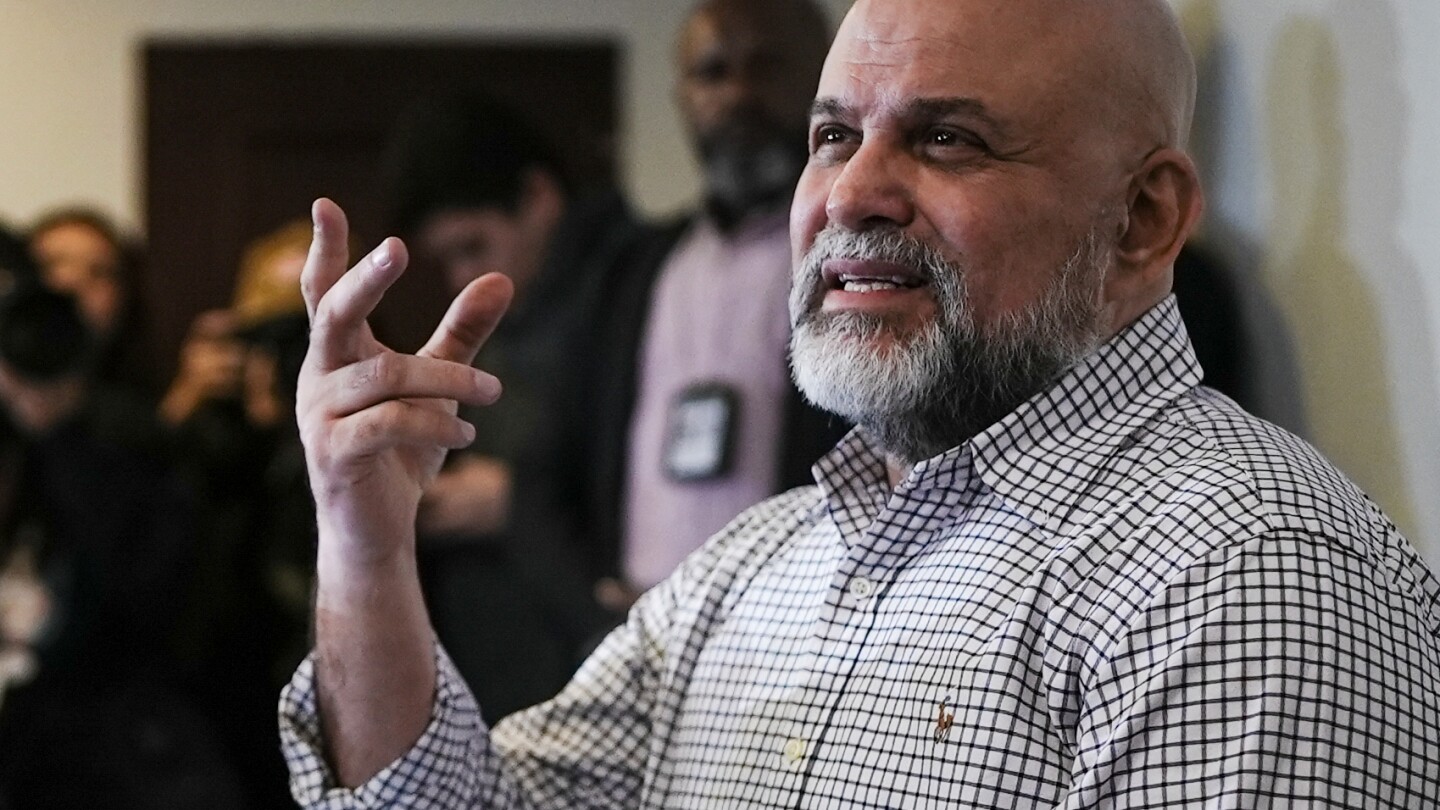
In a landmark ruling from Bogotá, Colombia’s special transitional justice tribunal has imposed a 40-year prison sentence on former paramilitary commander Salvatore Mancuso for atrocities committed against Indigenous populations in La Guajira province. The court found the 61-year-old responsible for 117 separate crimes—including homicides, enforced disappearances, and mass displacements—perpetrated by his forces between 2002 and 2006 during Colombia’s prolonged internal conflict.
The judicial panel noted that Mancuso’s sentence could potentially be reduced to eight years contingent upon his full cooperation with truth-telling initiatives and reparations programs benefiting victims of his former paramilitary organization. This sentencing represents a significant development in Colombia’s ongoing transitional justice process following the 2016 peace accord with FARC rebels.
Mancuso, who holds dual Colombian-Italian citizenship, was recently repatriated from the United States where he had served extensive prison time on drug trafficking charges since his 2008 extradition. Despite multiple requests for transfer to Italy after completing his U.S. sentence, Colombian authorities maintained jurisdiction over his case.
As a senior commander of the United Self-Defense Forces of Colombia (AUC), Mancuso helped establish right-wing paramilitary units initially created to counter Marxist guerrilla groups. While the AUC successfully displaced rebels from certain rural territories, they were subsequently accused of systematically targeting innocent civilians.
The court’s decision emerges against the backdrop of Colombia’s complex peace architecture. President Gustavo Petro recently designated Mancuso as an official ‘peace facilitator’ to mediate ongoing negotiations with active armed groups, including the Gulf Clan—a successor organization to the AUC boasting approximately 10,000 fighters. This paradoxical position highlights the challenging balance between justice and reconciliation in post-conflict societies.
Historical context reveals the staggering human cost of Colombia’s conflict, with truth commission data documenting at least 450,000 fatalities between 1985 and 2018 among combatants and civilians alike. The recent Qatar-brokered agreement between the government and Gulf Clan establishes protected zones where fighters can gather without prosecution during peace talks, signaling continued efforts to resolve decades of violence through diplomatic channels.