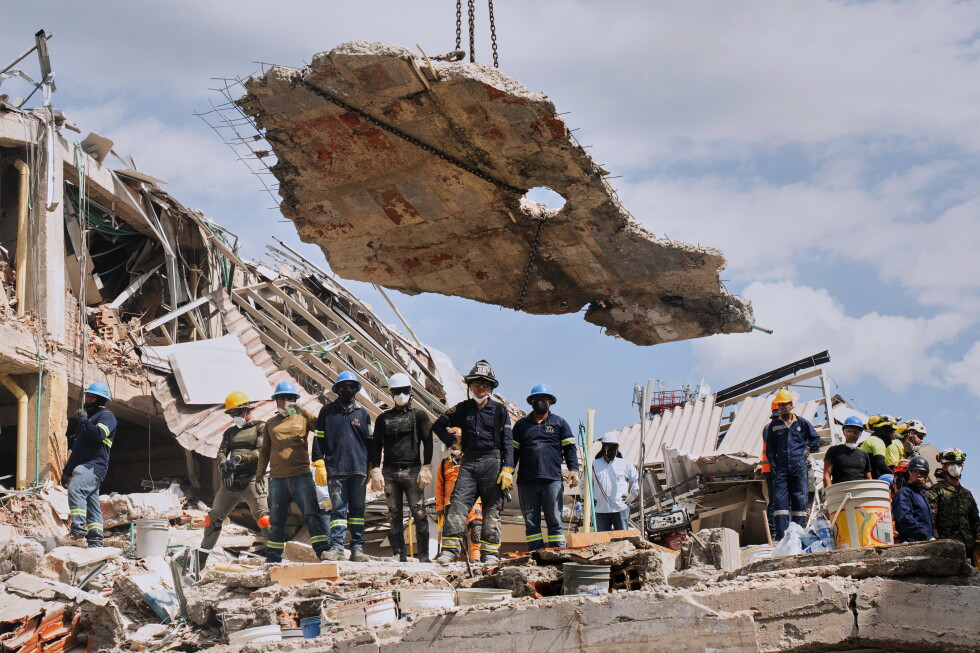
Just days after being sworn into office, Colombia’s newly inaugurated President Abelardo de la Espriella is turning to his U.S. political ally, former President Donald Trump, for critical economic relief following a catastrophic 7.4-magnitude earthquake that has already claimed at least 289 lives across western regions of the South American nation.
De la Espriella, who secured his presidential victory in a closely contested June 21 runoff election with public backing from Trump, has made strengthening bilateral ties with the U.S. a central pillar of his young administration. In a post shared to the social platform X on Saturday night, the new leader confirmed he had held a conversation with Trump to discuss disaster response efforts. He thanked the U.S. for the emergency assistance already dispatched, and formally asked Trump to temporarily lift punitive tariffs on Colombian exports, a move that would ease pressure on domestic business owners grappling with widespread economic disruption from the disaster.
As of Sunday, the Trump administration has not issued a public response to de la Espriella’s request. The U.S. State Department has confirmed that Washington has already committed $26.5 million in emergency aid to Colombia, including critical provisions such as non-perishable food, temporary emergency shelter, and essential medical and public health supplies.
The powerful quake struck early on a Monday morning, carving a path of destruction across western Colombia, including major urban centers like Pereira, Cali, and Quibdo. Communities along Colombia’s Pacific coastline suffered the most severe damage, prompting President de la Espriella to immediately declare a national natural disaster across affected regions.
Official government data puts the number of missing people at 143, though independent civilian-led tracking databases estimate the figure could be as high as thousands. According to the latest government updates, the disaster has injured 3,937 people, fully destroyed more than 14,700 residential structures, and left an additional 81,536 homes damaged to varying degrees. The epicenter of the quake was located in Choco, one of Colombia’s poorest and most underserved regions, exacerbating the challenges for first responders.
In Cali, Colombia’s third-largest city, search and rescue teams continue to comb through collapsed infrastructure for more than 70 local residents reported missing. Even though the critical 48 to 72-hour window for finding trapped survivors has closed, rescue operations and hopes of finding people alive persist. More than 120 hours after the quake hit, Cali Mayor Alejandro Eder told reporters at the unified emergency command post that teams remain committed to their work, holding onto the possibility of unexpected outcomes. “Miracles do happen,” Eder said, adding that crews would continue operations in all areas where victims are believed to remain trapped, driven by the hope of bringing survivors out.