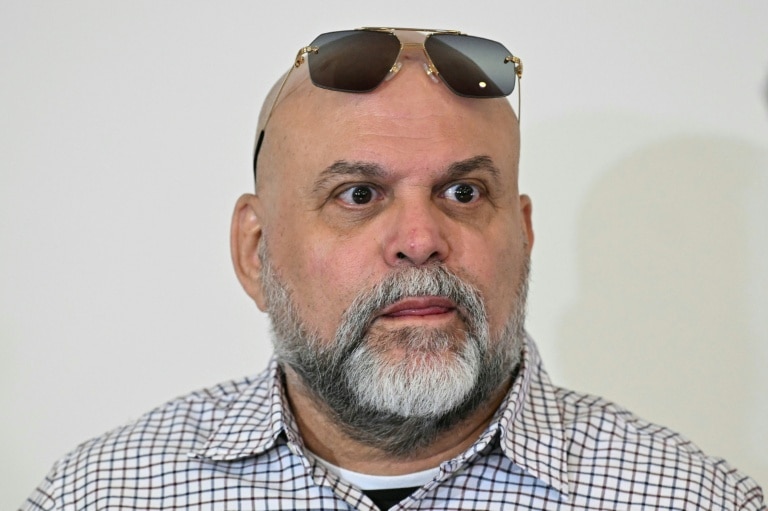
In a landmark judicial decision, former Colombian paramilitary commander Salvatore Mancuso has received a 40-year prison sentence for atrocities committed during the nation’s prolonged armed conflict. The ruling from a Barranquilla court convicted Mancuso of 117 distinct crimes against the Wayuu Indigenous community, including murders, forced disappearances, and systematic displacements occurring between 2002 and 2006 in the northern La Guajira region bordering Venezuela.
The sentencing presents a complex dilemma for President Gustavo Petro’s administration, which had previously appointed Mancuso as a peace negotiator following his repatriation from the United States. The ex-paramilitary leader had recently been facilitating government negotiations with the Gulf Clan cartel—Colombia’s dominant narcotics organization that evolved from paramilitary factions.
Mancuso’s legal situation remains particularly intricate due to his dual roles as both convicted war criminal and government-sanctioned peace envoy. His sentence includes a substantial $14 million fine payable to victims, though Colombian restorative justice provisions could potentially reduce his incarceration to eight years should he fully disclose his crimes and participate in reparations programs.
This case underscores the ongoing challenges in Colombia’s peace process, where former combatants often navigate dual roles between justice and reconciliation. Mancuso previously served 16 years in U.S. imprisonment on drug trafficking charges before his extradition ended in 2023. His appointment as peace envoy had been controversial from its inception, drawing criticism from human rights organizations and victims’ groups.
The paramilitary groups Mancuso helped lead—particularly the United Self-Defense Forces of Colombia (AUC)—emerged in the 1990s as counter-insurgency forces against Marxist guerrillas but rapidly became embroiled in narcotics trafficking and widespread human rights violations. Their campaign targeted union organizers, indigenous leaders, human rights advocates, and political figures allegedly connected to rebel groups.
Colombia’s six-decade internal conflict has claimed over 250,000 lives, with violence significantly diminishing following the 2016 peace accord with the Revolutionary Armed Forces of Colombia (FARC). However, dissident factions continuing to oppose the agreement still contest control over cocaine production territories and periodically attack security forces, maintaining Colombia’s position as the world’s primary cocaine producer.