Truckers and merchants from Colombia and Ecuador converged at their shared border on Tuesday, voicing strong opposition to the escalating trade conflict between the two South American nations. The demonstrators demanded the immediate removal of recently imposed 30% tariffs on numerous goods, warning these measures would severely damage border economies and impact energy sectors on both sides.
Carlos Bastidas, president of an Ecuadorian transportation workers association, articulated the protesters’ concerns, stating that tariffs ‘generate crises, they don’t help the economy.’ He emphasized their hope that both governments would eliminate these measures and establish effective dialogue mechanisms.
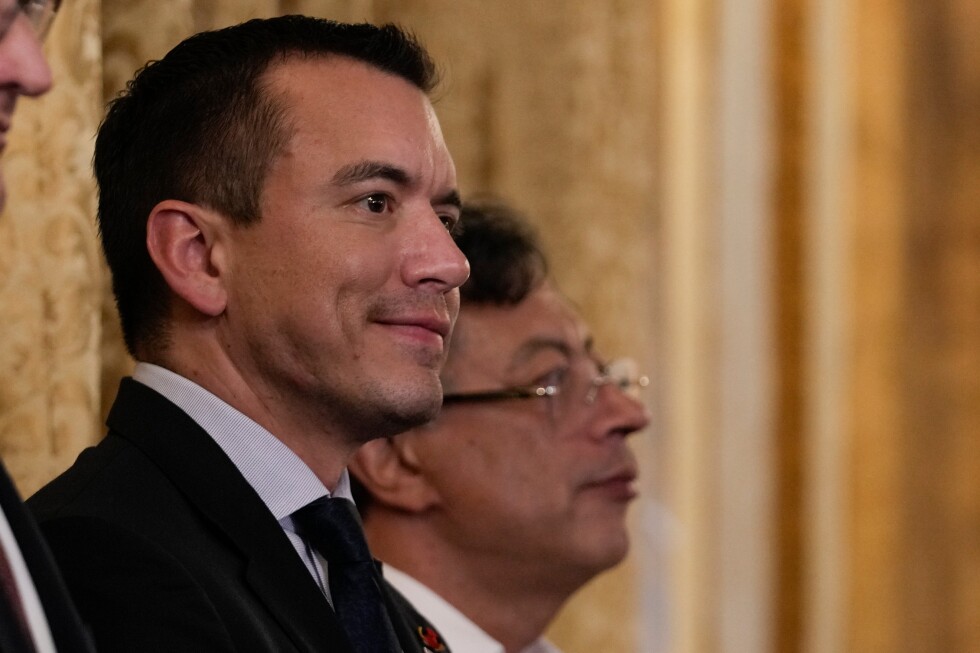
The trade dispute originated when Ecuadorian President Daniel Noboa, a conservative leader who has sought closer ties with the Trump administration, implemented tariffs last month on Colombian products. Noboa characterized these levies as a ‘security tax,’ claiming Colombia had failed to adequately combat cocaine trafficking across their border. He announced via social media platform X that the tariffs would remain until Colombia took ‘firm actions’ against drug cartels.
Colombia responded with reciprocal 30% tariffs on Ecuadorian goods including rice and automotive parts, and additionally threatened to cease electricity exports to its neighbor. This energy threat carries significant weight as Ecuador depends heavily on hydroelectric power and experienced serious power shortages in 2024. These reciprocal trade measures took effect on February 1.
Despite sharing a border, neither nation ranks as the other’s primary trading partner, with both producing similar export commodities including coffee, flowers, bananas, and oil. According to Colombia’s statistics agency, bilateral trade reached approximately $2.3 billion last year, with Colombia exporting about $1.7 billion worth of goods to its smaller neighbor.
The economic impact is particularly acute in border regions. Edison Mena, president of a Colombian truckers association in the border city of Ipiales, revealed that 38% of his city’s economy depends on commerce with Ecuador.
Critics of President Noboa suggest the trade war serves as a diversion from his government’s domestic challenges. The tariff announcement coincided with the publication of crime statistics showing Ecuador’s homicide rate reached 50 murders per 100,000 residents in 2025—the highest in the nation’s recent history. Since 2020, Ecuador’s homicide rate has quintupled as international drug gangs battle for control of the country’s ports, transforming the once peaceful nation into a major cocaine transit point.