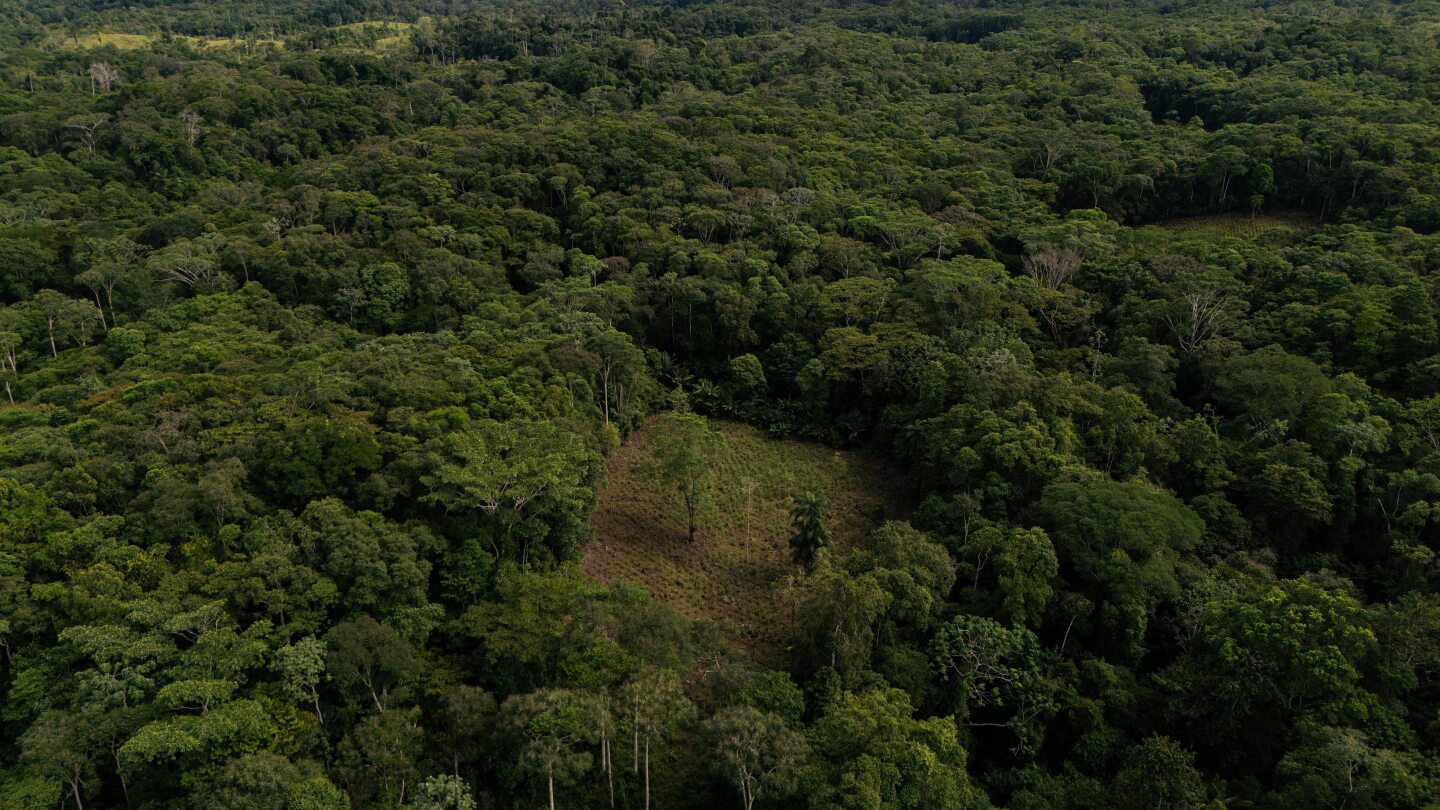
In a significant policy reversal, Colombia’s government has authorized the use of drone technology to resume aerial eradication of coca crops, responding to unprecedented cocaine production levels that have strained relations with the United States. The controversial program, announced Monday by Justice Minister Andrés Idárraga, will commence Thursday using precision drones targeting remote coca plantations controlled by armed groups.
The decision marks a dramatic shift from Colombia’s 2015 ban on aerial fumigation, implemented after the World Health Organization classified glyphosate herbicide as a potential carcinogen. Traditional crop-dusting aircraft, often operated by U.S. contractors, faced widespread criticism for contaminating water sources and legal crops, prompting environmental activism that led to the prohibition.
Minister Idárraga emphasized the technological advantages of drone deployment, noting aircraft will operate within 1.5 meters of targets to minimize ecological impact. Each drone reportedly can clear one hectare of coca every thirty minutes while providing enhanced safety for security forces operating in hazardous regions defended by drug traffickers and rebel factions.
The policy evolution reflects the Petro administration’s increasingly pragmatic approach to narcotics enforcement. Initially critical of forced eradication methods, the left-wing government has adopted more aggressive measures against cocaine production as rebel groups funding their operations through drug trafficking intensify attacks on urban centers.
This strategic pivot occurs amid escalating diplomatic pressure from Washington. The Trump administration recently designated Colombia as non-cooperative in narcotics control for the first time in three decades, imposing personal sanctions on President Gustavo Petro and threatening military action against drug operations within Colombian territory.
Despite reporting record cocaine interdiction rates, Colombian authorities acknowledge cultivation has nearly doubled since 2016, with UN estimates indicating 261,000 hectares currently dedicated to coca production—primarily in remote, mine-protected areas where manual eradication proves exceptionally dangerous.