Recent US strategic decisions regarding Iranian energy infrastructure have inadvertently granted Tehran significant escalation dominance in an increasingly volatile regional conflict, according to high-level Arab officials speaking with Middle East Eye. The situation developed after Israel’s strike on Iran’s South Pars gas field, which energy analysts had long considered a worst-case scenario trigger for retaliatory attacks on critical energy production sites.
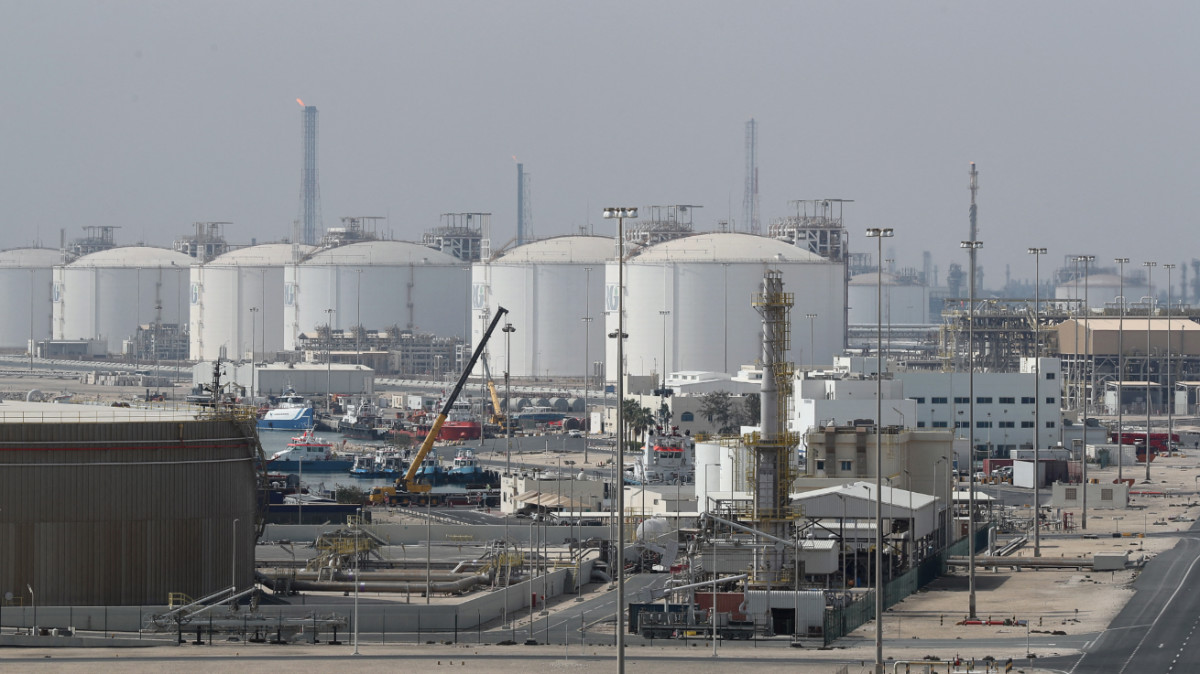
Iran’s response targeted Qatar’s Ras Laffan natural gas facilities, effectively demonstrating their capacity to impact global energy markets. This tit-for-tat exchange has revealed fundamental miscalculations in US foreign policy approach, with one Arab official characterizing American actions as “clumsy” alliance management.
The strategic landscape has shifted substantially since Iran established de facto control over the Strait of Hormuz, creating a ‘safe’ shipping corridor through its territorial waters while charging vessels for transit access. This development represents a significant geopolitical setback for Washington, which has failed to secure this crucial maritime passageway.
Alan Eyre, Iran expert and diplomatic fellow at the Middle East Institute, assessed the Israeli strike as a “strategic blunder” apparently motivated by the Trump administration’s desire to impose costs on Iran for controlling the vital waterway. While Iran has demonstrated calculated responses to US and Israeli actions, Eyre cautioned against overstating Tehran’s position, noting that Iran “has less to lose and is doing things that it knows are risky because they have to.”
The attack on Qatar’s facilities proved particularly damaging, eliminating 17% of its LNG export capacity with repairs expected to take three to five years. This triggered a 20% surge in European natural gas prices, highlighting the global economic implications of regional conflicts.
Despite President Trump’s public denial of prior knowledge regarding the Israeli strike, Arab diplomats and former US officials expressed skepticism about these claims. Dan Shapiro, former US ambassador to Israel, stated there was “zero chance” Israel would conduct such an operation without US Central Command’s full awareness and approval.
Iranian Foreign Minister Abbas Aragchi explicitly warned that future attacks on Iranian infrastructure would meet with unrestrained response, emphasizing that any resolution to the conflict must address damage to civilian sites. Meanwhile, the US faces limited options to address rising energy prices, with discussions emerging about potentially lifting sanctions on Iranian oil—a move that would contradict current offensive actions against Tehran.