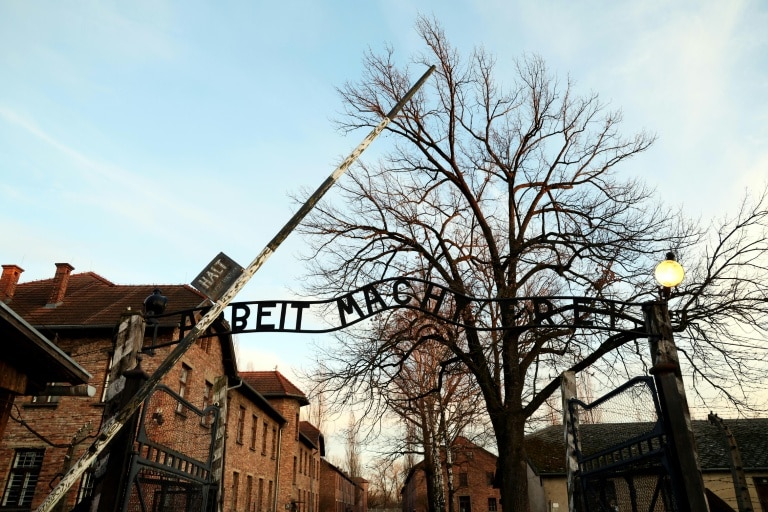
On International Holocaust Remembrance Day, historians and memorial foundations are sounding alarms about the proliferation of AI-generated content that systematically distorts the historical record of Nazi atrocities. This synthetic media, ranging from fabricated images of concentration camp prisoners to entirely invented victim narratives, has flooded social media platforms with alarming frequency.
Fact-checking organizations have documented a substantial surge in these digitally fabricated representations, which include emotionally manipulative imagery such as an emaciated, blind man standing in snow at Flossenbuerg concentration camp and a fictional young girl named Hannelore Kaufmann presented as an Auschwitz victim. These creations emerge from content farms exploiting the Holocaust’s emotional impact for maximum engagement and minimal effort.
Memorial directors note these fabrications serve dual purposes: some generate clickbait revenue through monetization programs, while others advance political agendas by deliberately diluting historical facts, shifting perpetrator-victim dynamics, and promoting revisionist narratives. Particularly concerning are images depicting well-fed prisoners that subtly suggest concentration camp conditions were tolerable.
The consequences extend beyond digital misinformation. Memorial staff report increasingly confrontational behavior from visitors influenced by this content, including Hitler salutes and dismissive comments about Holocaust severity—particularly among younger demographics from regions where far-right ideologies have gained dominance.
Despite urgent appeals from memorial foundations requesting platform intervention under EU Digital Services Act obligations, most American social media giants have remained unresponsive. Only TikTok has acknowledged the issue, proposing monetization exclusion and automated verification measures. As AI technology advances exponentially, experts warn the ethical crisis surrounding historical distortion requires immediate societal response and responsible technological standards.