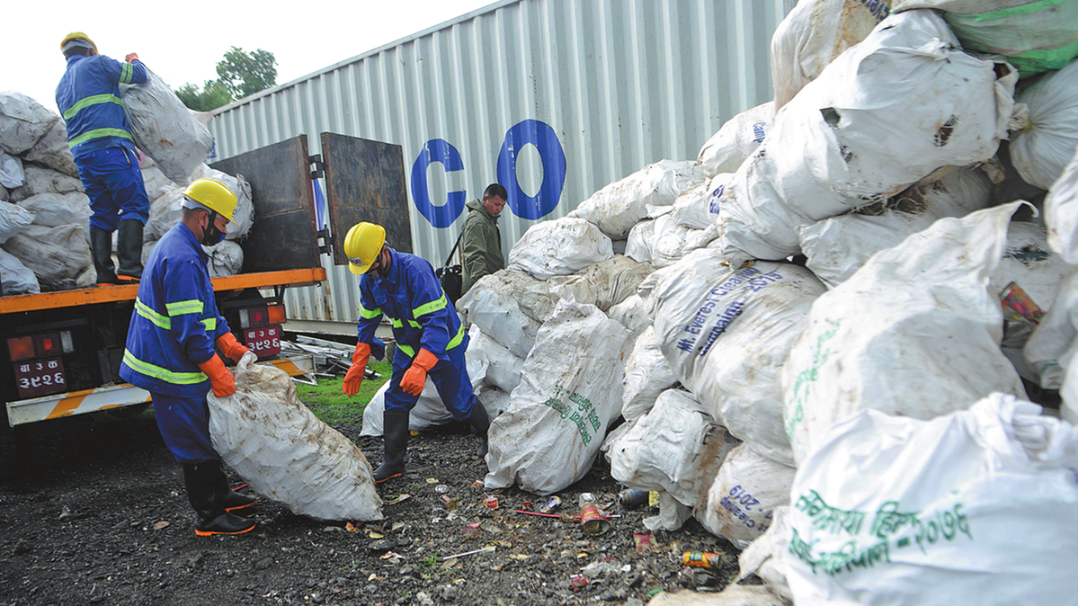
Nepal is set to implement a comprehensive five-year strategy to address the escalating litter problem on Mount Everest, the world’s highest peak. The initiative, dubbed the Clean Mountain Strategy (2025-2029), aims to tackle decades of accumulated waste that has marred the iconic mountain. The plan includes the establishment of a specialized team of ‘mountain rangers’ to monitor and manage waste at base camp and higher altitudes, as well as the exploration of drone technology for waste collection above base camp. The strategy also proposes stricter regulations on climbing permits, higher fees for climbers, and the introduction of a refundable garbage deposit system. Additionally, a significant portion of climbing revenues will be allocated to cleanup campaigns, with provisions for local community involvement. The draft strategy emphasizes transparency and global engagement, with progress reports to be distributed internationally and an independent monitoring team to conduct annual assessments. The government also plans to integrate environmental awareness into local curricula and introduce educational materials nationwide. Despite these efforts, experts caution that the success of the strategy will depend on the availability of adequate funding and consistent policy implementation.