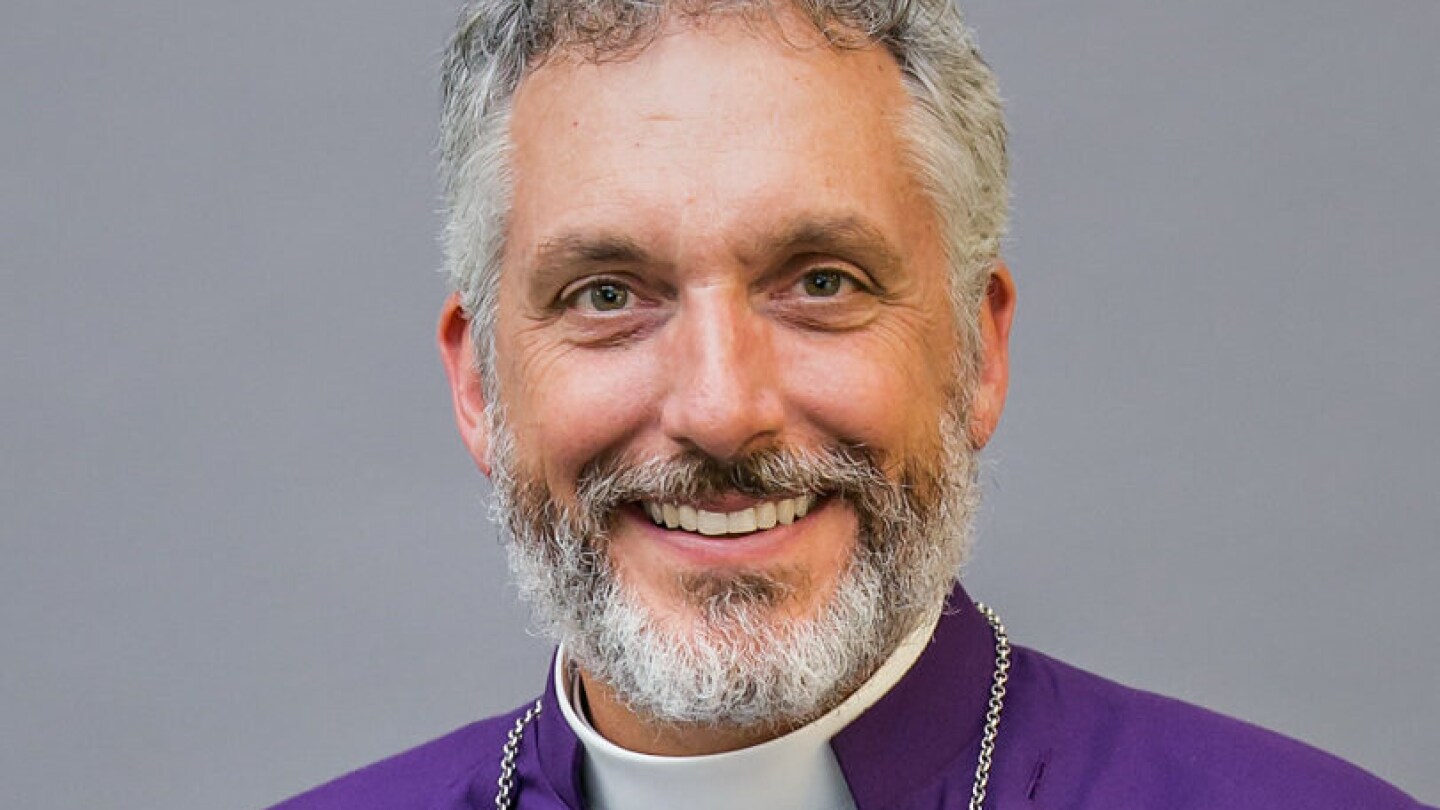
In a significant ruling that underscores deepening institutional tensions, an ecclesiastical court has fully exonerated Bishop Stewart Ruch III of the Anglican Church in North America (ACNA) regarding charges of failing to properly oversee clergy and lay people accused of misconduct. The verdict emerges against a backdrop of escalating scrutiny toward the conservative denomination’s handling of abuse allegations and leadership accountability.
The judicial panel, composed of three bishops, two priests, and two lay members, concluded a protracted confidential trial by clearing Ruch of all canonical violations. While the presentments against him did not include personal misconduct accusations, they alleged serious administrative failures including violation of ordination vows, conduct causing scandal, disobedience to church laws, and habitual neglect of duties—primarily related to his oversight within the Diocese of the Upper Midwest.
In its determination, the court acknowledged the profound gravity of sexual abuse cases, recognizing them as ‘sobering reminders of the Church’s sacred duty to protect the vulnerable.’ However, it attributed Ruch’s documented missteps to the natural learning curve of a relatively young denomination and its leadership rather than to deliberate canonical disobedience. The court further commended the bishop’s demonstrated ‘humility, openness to correction and pastoral devotion,’ asserting his capacity to spearhead necessary reforms.
This acquittal stands in stark contrast to recent developments involving other high-ranking ACNA leaders. Mere days before this verdict, a separate board of inquiry found probable cause to try Archbishop Stephen Wood—the denomination’s foremost leader—on charges encompassing abuse of power and sexual immorality. Simultaneously, former Bishop Derek Jones, who previously supervised military chaplains, now faces an ecclesiastical trial in absentia on charges of promoting schism and disobedience, complicated by canonical restrictions that prevent his formal resignation while under discipline.
The advocacy collective ACNAtoo expressed profound disappointment with the Ruch verdict, declaring it confirmation of survivors’ fears ‘that the ACNA will give bishops a free pass.’ The group criticized the institutional response, alleging the church has ‘relegated survivors’ own stories to the category of propaganda’ and demonstrated unwillingness to address abuse effectively at the organizational level.
Conversely, Ruch’s diocese welcomed the court’s decision, emphasizing in an official statement that diocesan leadership has ‘learned much and have worked to develop additional safeguarding policies and practices’ over the past four years to better prevent and address misconduct. The statement highlighted ongoing reforms intended to enhance institutional accountability.
The most prominent case underlying the accusations involved lay minister Mark Rivera, convicted in 2023 of child sexual assault within Ruch’s diocese. Critics charged Ruch with insufficient urgency and transparency in handling the matter, though the court ultimately interpreted his contested actions—such as attending Rivera’s bond hearing—as exercises of pastoral judgment made in real time without the benefit of hindsight.
Formed in 2009 by conservatives diverging from the liberalizing trends of the U.S. Episcopal Church and the Anglican Church of Canada, the ACNA represents approximately 130,000 members across 1,000 congregations. This complex landscape of legal and moral accountability continues to challenge the denomination’s governance structures and its commitment to protecting vulnerable community members.