In a working inspection tour of eastern China’s Zhejiang Province and southeastern China’s Jiangxi Province held between Monday and Thursday, Chinese Vice-Premier Liu Guozhong, who also serves as a member of the Political Bureau of the Communist Party of China Central Committee, has laid out clear priorities for advancing the country’s water management infrastructure and ecological conservation efforts, calling for accelerated construction of a modern national water network and strengthened, comprehensive protection of the nation’s river systems. The ultimate goal of these efforts, Liu emphasized, is to steadily boost China’s capacity to safeguard long-term water security.
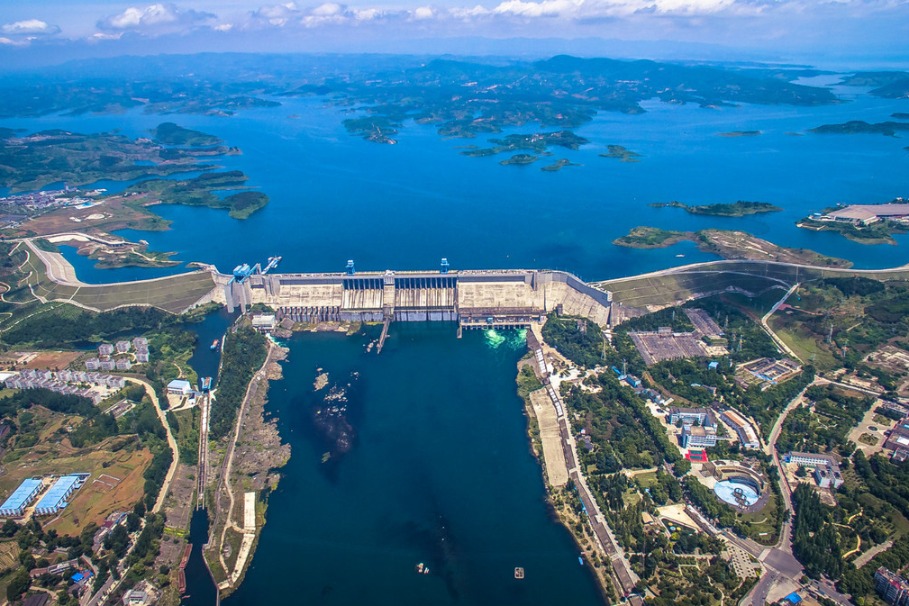
During the site visits, Liu conducted in-depth, on-the-ground reviews of key water conservancy projects across both provinces, covering critical infrastructure ranging from reservoirs, river channels, and embankments to large-scale irrigation districts and rural drinking water supply systems. He also received detailed briefings on ongoing conservation and management work for two major water bodies in the region: the Xin’an River and Poyang Lake.
Liu stressed that advancing the core framework of the national water network must remain a top near-term priority. He called for coordinated planning and execution of water conservancy projects at all administrative levels, paired with targeted improvements to how the country allocates its freshwater resources across different regions and use cases.
Beyond infrastructure development, Liu called for elevated standards for the protection and governance of all rivers and lakes across the country. He highlighted the urgent need to scale up adoption of water-saving irrigation technologies to maximize water use efficiency in the agricultural sector, while also reinforcing the safety and reliability of drinking water supplies for rural communities.
During a stop to review flood prevention infrastructure and national hydrological forecasting systems, Liu pushed for full and thorough implementation of pre-disaster preparedness measures. This includes completing comprehensive screening and rectification of all known hidden safety hazards, he said, to effectively raise the country’s ability to prevent and mitigate damage from floods and waterlogging, which pose recurring seasonal risks to many Chinese regions.
The inspection tour also included stops to review early rice seedling cultivation and rapeseed farming operations, tying agricultural water management priorities to broader national food security goals.