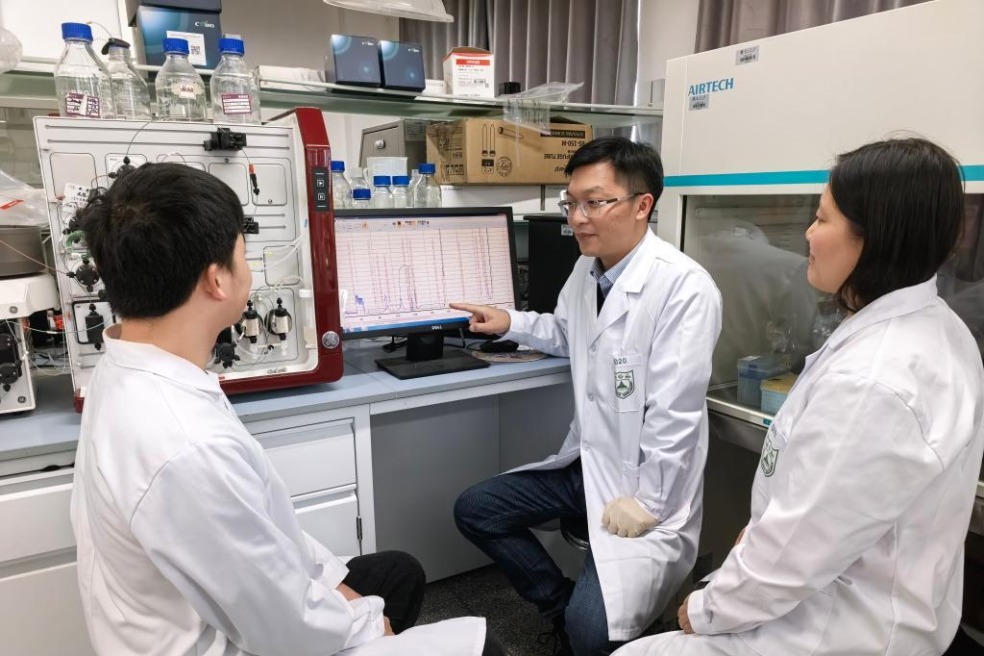
A groundbreaking development in the fight against Severe Fever with Thrombocytopenia Syndrome (SFTS), commonly known as tick fever, has been achieved by a Chinese research team. Led by Professor Wu Xilin from Nanjing University Medical School, the team has created a combination of nanobodies that demonstrate broad and potent efficacy against the disease. This innovation is particularly significant as SFTS cases are on the rise globally, and no specific treatments have been available until now. The study, published as the cover story in the journal Science Translational Medicine, highlights the collaborative efforts of multiple domestic institutions. SFTS, transmitted through tick bites, causes severe symptoms such as high fever and a drastic reduction in platelet count, often occurring between April and September. The research team initially isolated first-generation nanobodies from alpacas, which showed promise in mouse trials. To combat the challenge posed by the virus’s multiple subtypes, the team developed a ‘cocktail therapy’ approach. This involved immunizing alpacas with antigens from different viral subtypes and identifying two potent nanobodies that target conserved viral sites, effectively blocking infection. When tested on infected ferrets, the nanobody cocktail led to complete survival, undetectable viral loads, improved platelet counts, and reduced tissue damage. The team has now initiated preclinical research, with Professor Wu expressing hope for a drug that can both treat and prevent SFTS.