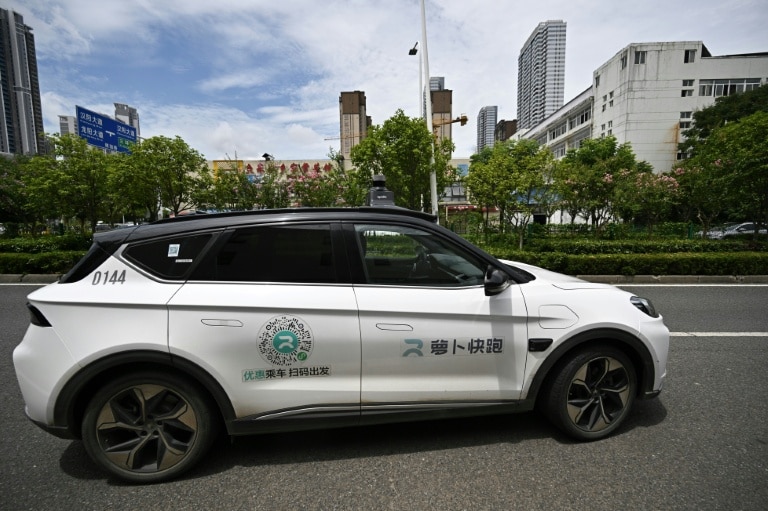
A cluster of Baidu-owned autonomous robotaxis came to an unexpected standstill on roads in central China’s Wuhan city this week, leaving passengers stranded after what local police have preliminarily identified as a system-wide malfunction. The incident, which unfolded on Tuesday evening, prompted a flood of emergency calls to local law enforcement, with reports of multiple Baidu Apollo Go vehicles blocking lanes after becoming immobile.
Launched as Baidu’s flagship commercial autonomous ride-hailing service, Apollo Go first rolled out paid driverless trips in Beijing back in 2021, and has since expanded its operational footprint to designated zones across dozens of Chinese cities. Wuhan alone hosts more than 500 vehicles from Baidu’s driverless fleet, making it one of the service’s largest domestic hubs.
In an official statement released Wednesday, Wuhan police confirmed that preliminary investigations point to a system malfunction as the root cause of the simultaneous stalls, though authorities did not disclose the exact number of vehicles affected by the disruption. Footage and posts shared by affected passengers on Chinese social media platforms have offered a first-hand look at the disruption: multiple videos show riders stuck inside stationary robotaxis stuck in active traffic lanes, repeatedly attempting to reach Baidu customer service via in-car tablets with no response. One passenger documented they remained stranded in the middle of a road for more than 30 minutes, with a social media caption questioning if the entire Apollo Go service had been paralyzed.
As of press time, Chinese tech giant Baidu has not issued an immediate public response or comment to Agence France-Presse’s request for information about the incident. Beyond its domestic operations, Baidu has actively pursued global expansion of its autonomous driving technology in recent years, striking integration deals with major U.S. ride-hailing platforms Lyft and Uber to bring its self-driving systems to international markets.
Company filings show the service has seen rapid growth in ridership over the past 12 months: in the fourth quarter of 2024, Apollo Go completed 3.4 million fully driverless rides, representing a more than 200% year-over-year increase in total trip volume. The Wuhan malfunction comes as autonomous vehicle technology continues to face ongoing scrutiny around the world over system reliability, emergency response protocols, and public safety as companies scale commercial deployments.