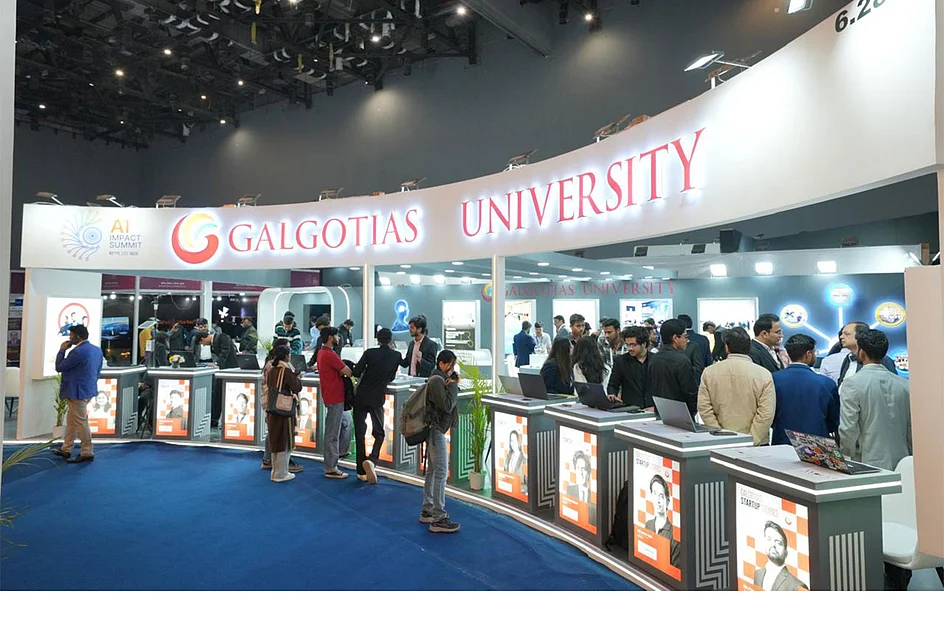
A diplomatic and technological controversy erupted at the India AI Impact Summit in New Delhi when exhibition organizers compelled Galgotias University to dismantle its display featuring a Chinese-manufactured robotic dog. The incident unfolded after viral social media footage revealed the university showcasing Unitree Go2—a commercially available robotic canine produced by Chinese robotics firm Unitree—as part of its Center of Excellence demonstration.
India’s IT Secretary S. Krishnan addressed the situation during a press conference, emphasizing the need for ‘adherence to certain codes to prevent the promotion of inauthentic behavior.’ While not explicitly referencing the robotic dog, Krishnan’s comments underscored the administration’s desire to avoid controversies that might detract from the summit’s broader technological achievements.
The university subsequently issued a clarifying statement acknowledging the Unitree Go2’s Chinese origins while defending its educational purpose. ‘The recently acquired Robodog represents one step in our ongoing journey to expose students to cutting-edge technologies,’ the statement read. ‘We have never claimed to have built this device—our mission is to cultivate minds capable of eventually designing and manufacturing such technologies within India.’
Professor Neha Singh, the faculty member featured in the viral video, attributed the misunderstanding to potential communication issues, noting she had never presented the robot as an indigenous creation. ‘Its main branding remains visibly intact,’ Singh explained. ‘The device was brought to the summit for educational demonstration purposes only.’
The incident attracted political criticism from opposition leader Rahul Gandhi, who characterized the summit as a ‘disorganized PR spectacle’ that risked making India ‘a laughing stock globally.’ Gandhi further criticized the government for allegedly prioritizing spectacle over substantive discussion of India’s AI capabilities and data security concerns.
The controversy highlights growing technological tensions between India and China amid broader geopolitical competition, while raising questions about academic transparency and international technology demonstration protocols at government-sponsored events.