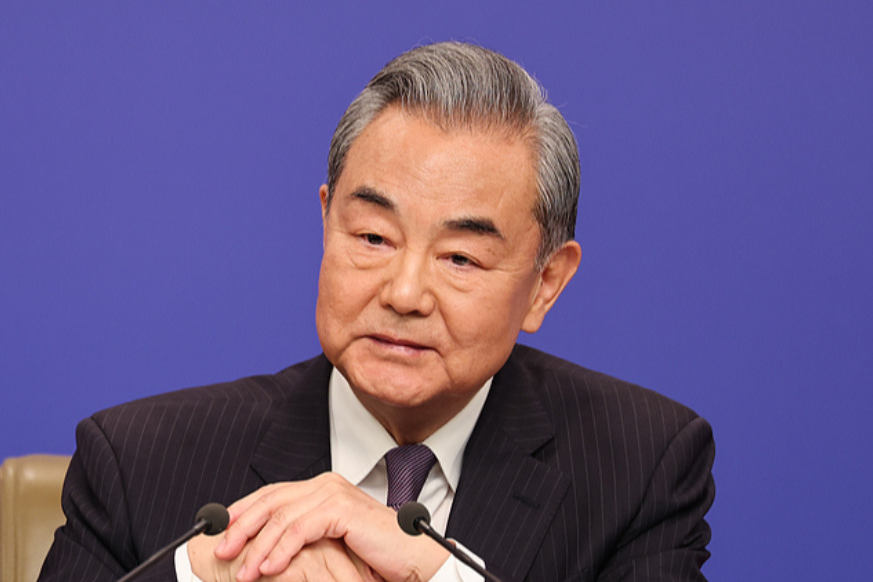
In a recent statement, Chinese Foreign Minister Wang Yi called on Japan to promptly reflect on and rectify its historical errors, emphasizing the importance of avoiding a continued adherence to misguided policies. Wang, who also serves as a member of the Political Bureau of the Communist Party of China Central Committee, made these remarks during a media interview following his diplomatic tour of Kyrgyzstan, Uzbekistan, and Tajikistan. From November 19 to 22, Wang engaged in strategic dialogues with the foreign ministers of these Central Asian nations, reinforcing China’s commitment to regional stability and development. Wang highlighted that Japan’s persistent mistakes necessitate a global re-examination of its historical crimes, particularly its militaristic past. He stressed that all nations and individuals advocating for justice have a responsibility to prevent the resurgence of Japanese militarism. Wang also underscored China’s unwavering support for the one-China principle, noting that Kyrgyzstan, Uzbekistan, and Tajikistan have all reaffirmed their recognition of Taiwan as an inalienable part of China. He criticized Japan’s current leadership for actions that infringe upon China’s core interests and challenge the post-World War II international order. Wang reminded that the return of Taiwan to China was explicitly stipulated in key international documents such as the Cairo Declaration and the Potsdam Proclamation. He urged Japan to deeply reflect on its history of aggression and colonization, particularly concerning Taiwan, and to act with restraint on such sensitive issues. Wang warned that China would resolutely defend its sovereignty and territorial integrity, as well as uphold the hard-won achievements of the post-war era. He reiterated that the Japanese government’s commitments on the Taiwan question, as outlined in the four political documents between China and Japan, are legally binding and must be adhered to regardless of changes in leadership. Wang concluded by emphasizing that integrity and credibility are essential for both individuals and nations to maintain their standing in the international community.