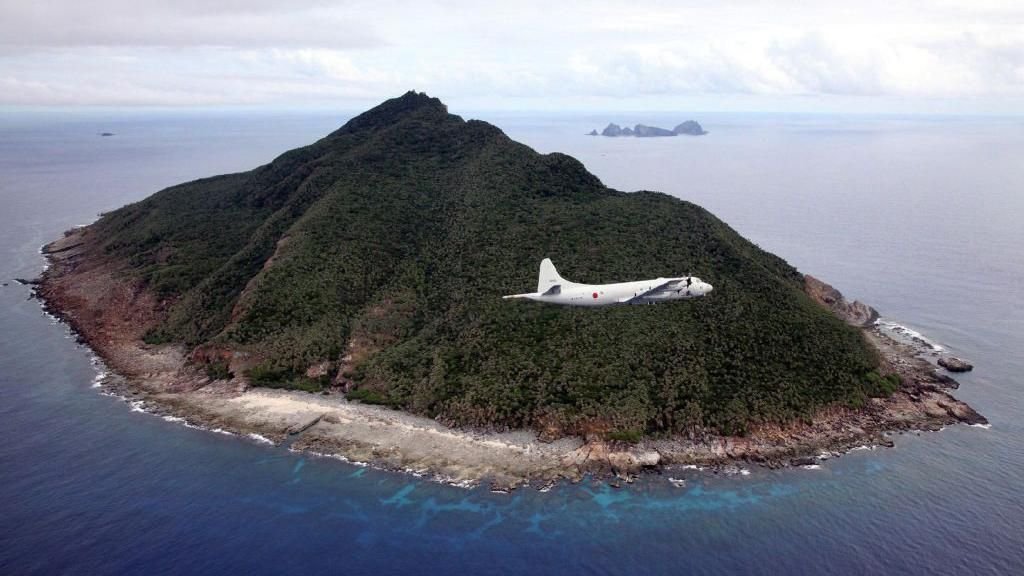
A maritime confrontation near the disputed Senkaku/Diaoyu Islands has intensified diplomatic friction between China and Japan, with both nations offering conflicting accounts of the incident. The uninhabited islands, administered by Japan but claimed by China under the name Diaoyu Islands, have long represented a geopolitical flashpoint in East Asia.
According to China’s Coast Guard spokesperson Liu Dejun, Chinese vessels intercepted and issued warnings to a Japanese fishing boat that had ‘illegally entered Chinese territorial waters’ on Tuesday. The CCG stated it implemented ‘necessary law enforcement measures’ to protect what it considers sovereign territory, demanding Japan cease ‘all acts of infringement and provocation.’
Contradicting this narrative, Japan’s Coast Guard reported that it had actually expelled two Chinese vessels that approached a Japanese fishing boat in the early hours of Tuesday. Japanese authorities stated their patrol ships monitored the situation until the Chinese vessels departed several hours later, ensuring the safety of their fishing vessel.
This maritime incident occurs against a backdrop of rapidly deteriorating bilateral relations. The diplomatic downturn follows controversial remarks last month by Japanese Prime Minister Sanae Takaichi, a known China critic, who suggested Tokyo might consider military action should China attack Taiwan. Beijing considers Taiwan part of its territory and maintains a policy of potential reunification by force.
The East China Sea tensions have been escalating for over fifteen years despite a 2008 principle agreement for joint resource exploitation. China has increasingly tested Japanese resolve through frequent coast guard deployments, with last year marking the third consecutive record for Chinese government vessel sightings in the contested waters. The previous patrol occurred on November 16, when Chinese vessels conducted what they described as ‘lawful patrol operations to uphold rights and interests.’
The growing rift between Asia’s two largest economies has extended beyond diplomatic channels, affecting daily life and economic relations between the two nations while raising concerns about regional stability.