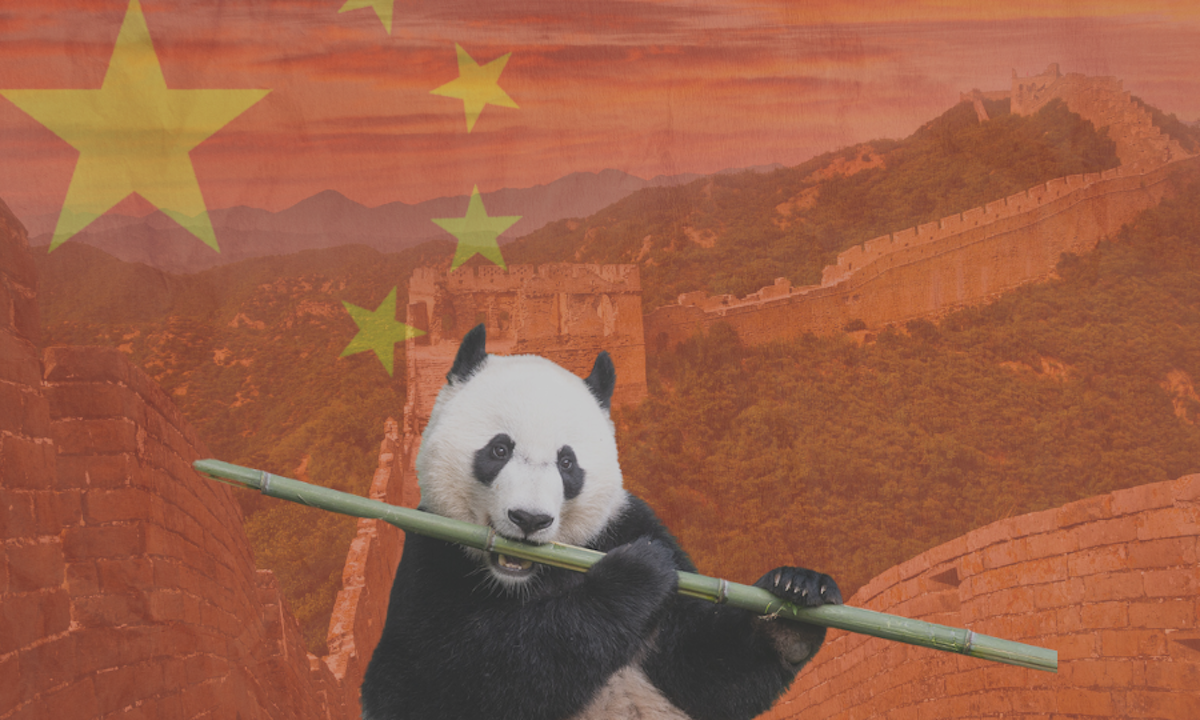
Japan marked a historic diplomatic milestone on January 27th as the nation bid farewell to its last remaining giant pandas, Xiao Xiao and Lei Lei, who were returned to China ahead of schedule. This departure signifies the first time since 1972—when diplomatic relations between Tokyo and Beijing were normalized—that Japan finds itself without any pandas within its borders.
The repatriation of these beloved creatures occurs against a backdrop of escalating tensions between the two Asian powers. The situation deteriorated notably following November comments by Japanese Prime Minister Sanae Takaichi suggesting potential military response to Chinese actions toward Taiwan, which provoked strong objections from Beijing.
China’s longstanding practice of ‘panda diplomacy’ dates back to the 7th century Empress Wu Zetian, who gifted bears to Japan as goodwill gestures. Modern panda diplomacy emerged in the 1970s as China sought to build international relationships, presenting pandas to major economies including the US, France, and the UK. Since 1984, due to declining wild populations, China has transitioned to long-term loan agreements requiring host countries to pay up to $1 million annually in conservation fees.
The current reduction in panda loans—from 21 countries in 2019 to 16 today—reflects both diplomatic considerations and domestic pressures. Pandas hold profound emotional significance for the Chinese public as national treasures, and perceived mistreatment abroad can generate substantial backlash. This sensitivity was demonstrated when panda Le Le’s death at Memphis Zoo in 2023 sparked accusations of mishandling on Chinese social media.
Despite being a soft power tool, panda diplomacy faces limitations beyond geopolitical tensions. Conservationists criticize the practice for using animals as political pawns, while questions persist about its actual conservation impact despite the significant fees involved. The International Union for Conservation of Nature still classifies giant pandas as ‘vulnerable.’
The early recall of Japan’s pandas and suspension of negotiations for new loans illustrates how these charismatic animals remain entangled in the complex web of international relations, serving as both ambassadors and indicators of diplomatic climates between nations.