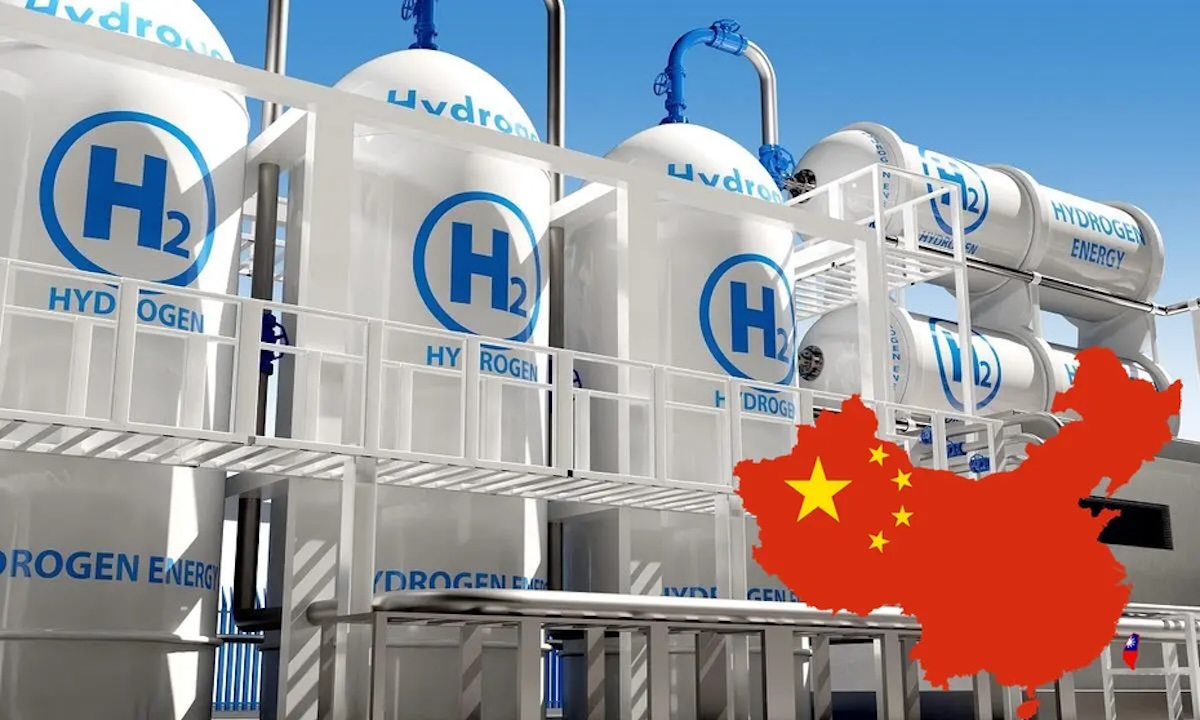
The global energy sector is undergoing a significant transformation, with low-carbon hydrogen emerging as a cornerstone of decarbonization efforts. While most hydrogen is currently produced from fossil fuels, the demand for low-carbon hydrogen is projected to skyrocket, with the market expected to grow from $26.39 billion in 2024 to $113.1 billion by 2034. At the forefront of this burgeoning hydrogen economy is China, which has rapidly become a dominant force in the global electrolyzer market, a critical component for hydrogen production. Over the past six years, Chinese firms have increased their share of global electrolyzer manufacturing capacity from 5% to 60%, with six of the top ten manufacturers now based in China. China’s dominance is particularly evident in alkaline (AWE) technology, where it controls 85% of global manufacturing capacity, thanks to over 40 years of experience and a highly integrated supply chain. While European and US companies have traditionally led in proton exchange membrane (PEM) technology, China is closing the gap through substantial state subsidies, reducing PEM electrolyzer prices by 40% between 2022 and 2024. By 2024, China not only became the world’s leading hydrogen producer but also accounted for nearly half of global green hydrogen output. This expansion is part of a deliberate national strategy, mirroring China’s earlier successes in solar PV and wind turbine sectors. However, challenges such as overcapacity, low efficiency, and limited technological adaptability persist, creating opportunities for alternative technologies and international partnerships. China’s hydrogen strategy, codified in the Hydrogen Industry Medium-and Long-Term Plan (2021–2035), aims for 50,000 fuel-cell vehicles, a nationwide refueling network, and significant low-carbon hydrogen output by 2024. State-owned enterprises like Sinopec and CNPC, along with major automakers such as SAIC Motor and BAIC Group, are heavily investing in hydrogen development. Chinese firms are also exporting hydrogen technology globally, with projects in countries like Namibia. Despite its dominance, China’s overcapacity and technological limitations highlight the need for innovation in next-generation solutions like solid oxide electrolyte (SOE) technology, which shows promise in industrial decarbonization and powering data centers. As the hydrogen sector evolves, investing in alternative technologies and diversified partnerships will be crucial for a resilient and sustainable hydrogen future.