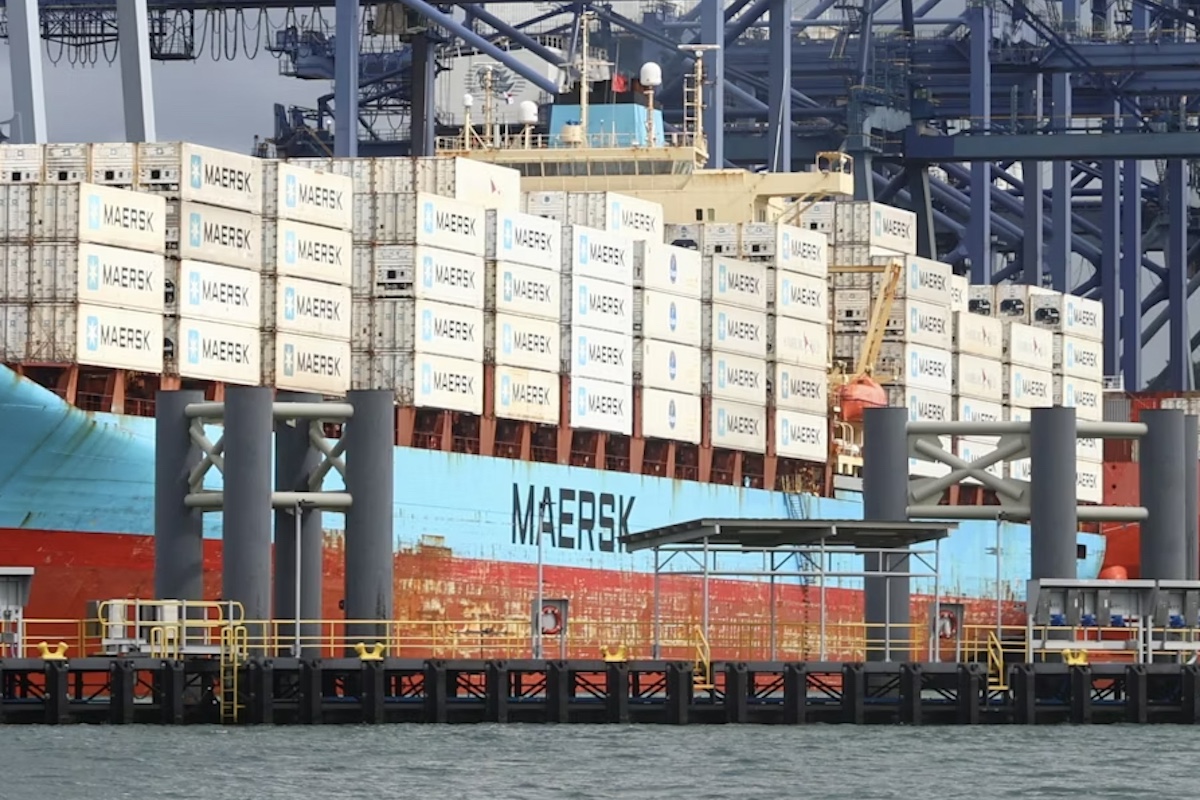
In a landmark decision with significant geopolitical implications, Panama’s Supreme Court has nullified the operating contract of Hong Kong-based CK Hutchison subsidiary Panama Ports Company, effectively ending its 27-year management of two strategic ports along the Panama Canal. The late January ruling declared the original 1997 authorization laws unconstitutional, marking a pivotal moment in the ongoing power competition between the United States and China in Latin America.
The court’s decision arrives precisely one year after former US President Donald Trump threatened direct intervention to limit Chinese influence over the critical waterway. Beijing responded with unusually strong language, denouncing the judgment as “absurd, shameful and pathetic” while warning Panama would face “heavy political and economic price” for the eviction.
This development represents the latest indicator that China’s regional ambitions are facing headwinds in what has traditionally been considered America’s backyard. Since the 1823 Monroe Doctrine declared the Western Hemisphere closed to European colonization, the US maintained predominant influence until the post-Cold War era created opportunities for emerging superpowers.
China has since become South America’s top trading partner and a major source of foreign direct investment, often providing loans with fewer conditions than international financial institutions but requiring commodity-backed repayment guarantees. However, Chinese investments have frequently been criticized for lower environmental and labor standards, with a 2023 UN analysis identifying patterns of serious rights abuses across 14 major projects.
The port ruling follows Panama’s February 2025 withdrawal from China’s Belt and Road Initiative, a decision made after meetings with US Secretary of State Marco Rubio. Panamanian President Jose Raul Mulino publicly questioned what the initiative had actually brought to his country.
Simultaneously, China appears to be deprioritizing Latin American investments due to mediocre growth and repayment delays, reducing sovereign lending since 2020. The US capture of Venezuelan leader Nicolas Maduro further demonstrates Washington’s willingness to reshape the regional political environment, potentially jeopardizing China’s ability to collect on approximately $10 billion in Venezuelan debt that could be challenged as “odious debt” by the new government.
Panama Ports Company has announced international arbitration proceedings that may continue for years, leaving the future ownership of the critical infrastructure uncertain. This convergence of events suggests the zenith of Chinese economic domination in Latin America may have passed, signaling a new chapter in hemispheric power dynamics.