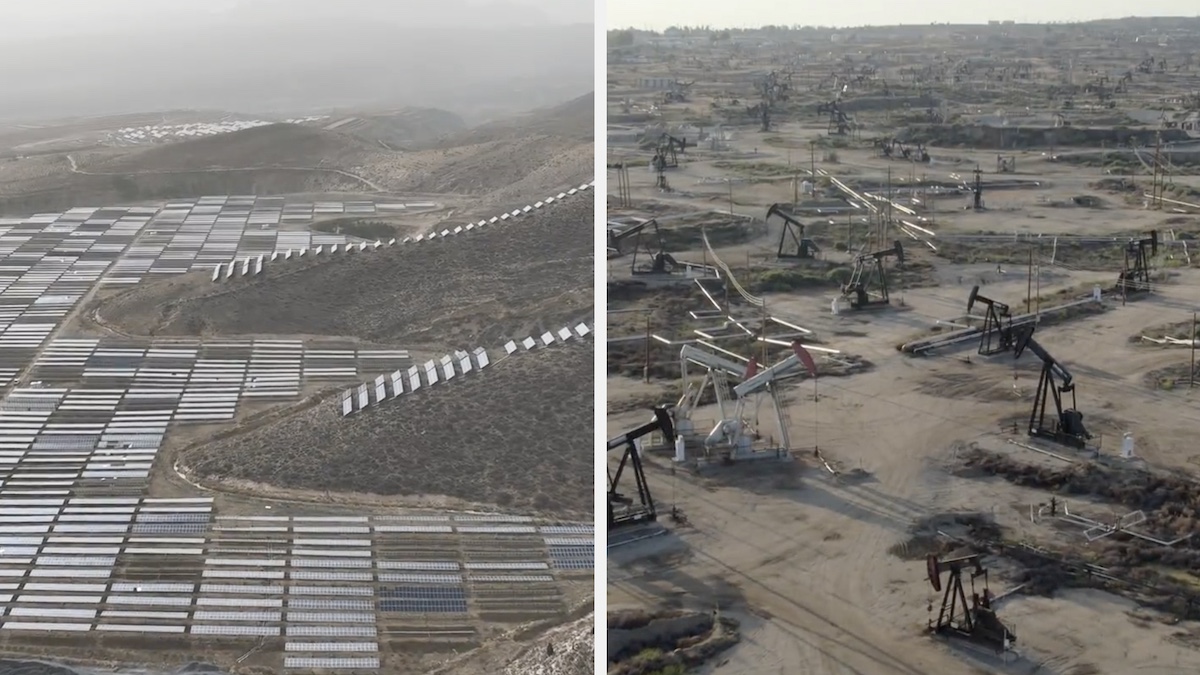
The world’s two economic superpowers are pursuing radically different energy strategies that will determine the industrial architecture of the 21st century. China is executing a comprehensive industrial policy focused on dominating clean-energy sectors including solar manufacturing, battery supply chains, electric vehicles, and grid infrastructure. This strategic push accounted for a substantial portion of China’s economic growth in 2025 and represents more than environmental policy—it’s a calculated play for long-term economic and geopolitical advantage.
Meanwhile, the United States presents a contradictory energy landscape. While federal policy emphasizes fossil fuel development and slower renewable approvals, private sector investment and state-level initiatives maintain robust clean-energy funding. This creates a national dichotomy where Washington’s rhetoric conflicts with market realities that continue supporting renewable development based on economic viability.
Both approaches carry significant risks. China’s clean-energy surge coexists with continued coal dependency, as Beijing approves new coal capacity to ensure energy security and satisfy powerful provincial interests. The US struggles with policy inconsistency that undermines its ability to transform innovation into durable industrial advantage.
The competition extends beyond climate considerations to fundamental questions about who will manufacture and control the hardware of modern life: power generation systems, storage solutions, transmission networks, EVs, and charging infrastructure. China’s early recognition that energy transition represents industrial transition has allowed it to build manufacturing ecosystems that competitors cannot quickly replicate, creating cost advantages that make Chinese technology the default choice for many developing nations.
This technological dominance introduces new security concerns as clean energy becomes increasingly connected through software, sensors, and data flows. Governments worldwide worry about potential vulnerabilities in networked systems, creating what security experts call ‘kill switch anxiety.’ These concerns are mutual—China itself restricts Tesla operations in sensitive areas, recognizing that networked machines represent critical infrastructure.
For Asian economies positioned between these competing systems, the path forward involves strategic diversification: sourcing affordable hardware while insisting on verifiable cybersecurity standards, transparent data governance, and procurement rules that prevent single-supplier dependency. ASEAN members and major manufacturers can benefit from supply-chain rebalancing by building trusted capacity in critical mineral processing and battery ecosystems.
The ultimate gamble reflects historical precedent—the nation that builds the infrastructure others depend on typically shapes the rules. China bets that clean-energy dominance will yield economic and geopolitical leverage despite coal contradictions, while America wagers that fossil fuel abundance and market dynamism will preserve its primacy despite policy volatility. The outcome will determine not just energy futures but global economic leadership for decades to come.