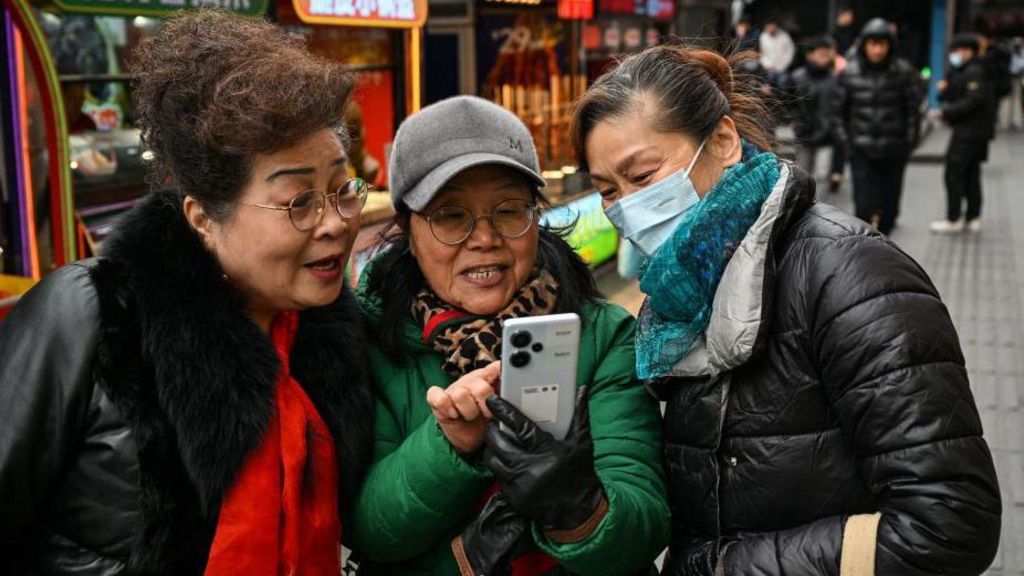
China’s annual online shopping extravaganza, Singles’ Day, traditionally held on November 11, has seen an early launch this year as retailers strive to stimulate spending in a sluggish market. The event, originally created by Alibaba, has grown into a global shopping phenomenon, comparable to Amazon’s Prime Day or Black Friday. However, this year’s extended sales period, beginning in mid-October, reflects the broader economic challenges facing Chinese consumers. Issues such as rising youth unemployment, a prolonged property crisis, escalating government debt, and ongoing trade tensions with the US have led to a more cautious approach to spending. Despite government efforts to boost consumption through subsidies, wage increases, and discounts, retail sales growth continues to fall short of expectations. E-commerce giants like Taobao, JD.com, and Douyin are aggressively promoting the event, offering deep discounts and vouchers to entice shoppers. Alibaba has also integrated artificial intelligence into its platforms to enhance the shopping experience, making it easier for consumers to find relevant products. The cautious spending trend, which began during the Covid-19 pandemic, has persisted as China grapples with deflation. High-end retailers, including luxury brands like Louis Vuitton and Burberry, have been particularly affected, with sales declining in recent months. However, there are signs of optimism in the market, as shares of luxury brands such as LVMH and Moncler have risen, buoyed by indications of improved demand in the region.