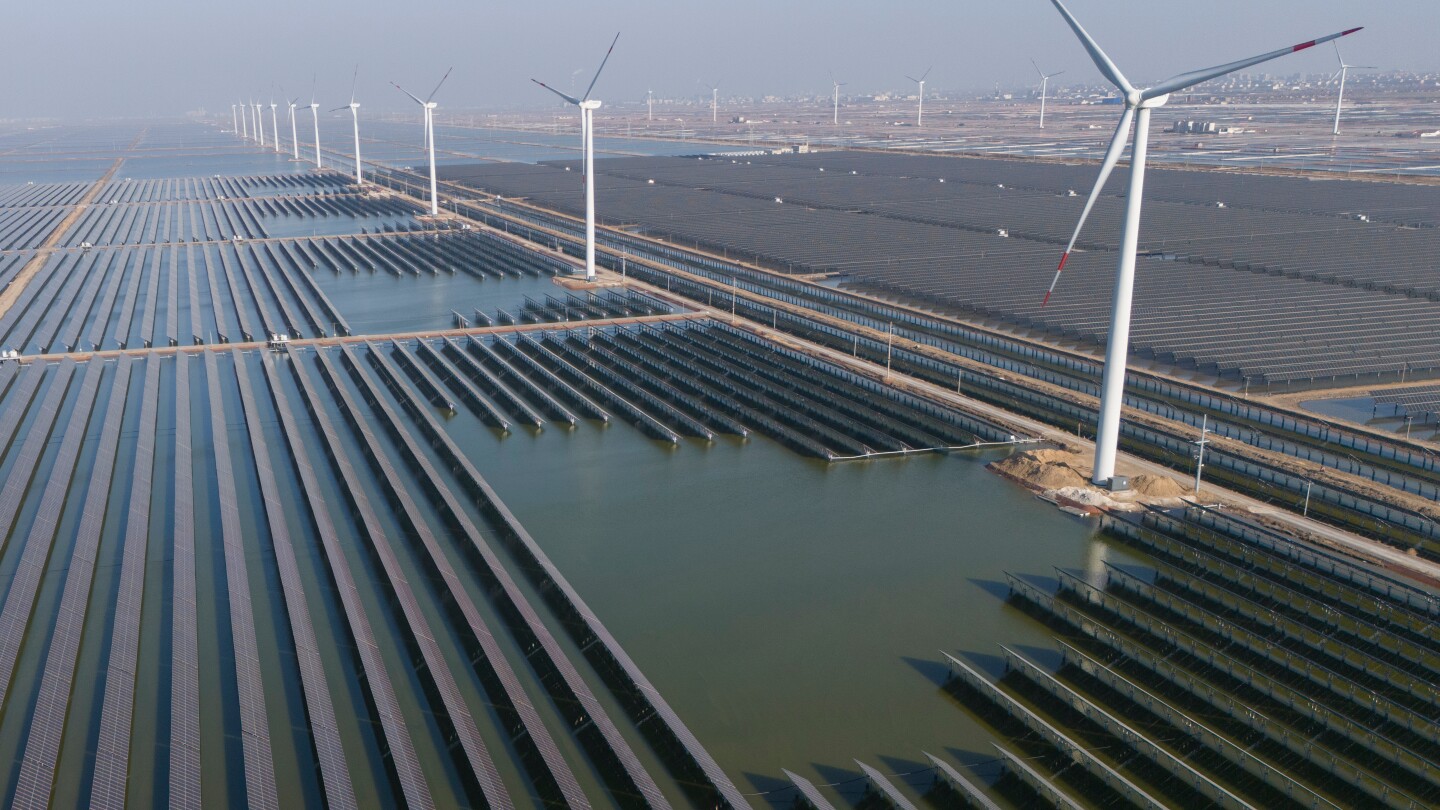
As the United Nations Climate Conference (COP30) kicks off in Brazil, China’s updated climate commitments have come under scrutiny. The world’s largest emitter of greenhouse gases recently unveiled its 2035 climate goals, detailing plans to reduce emissions by 7% to 10%. While this marks the first time China has set a specific emissions reduction target, experts argue it falls short of the 30% cut needed to align with the Paris Agreement’s aim of limiting global warming to 1.5°C. China’s role is pivotal, not only as the top emitter but also as a global leader in green technologies like solar, wind, and electric vehicles. The nation’s goals include raising non-fossil fuel energy consumption to 30%, achieving 3,600 gigawatts of solar and wind capacity, and mainstreaming electric vehicles. However, the absence of specific targets for coal power capacity raises concerns, as coal remains a cornerstone of China’s energy strategy. Despite these challenges, China has a history of surpassing its climate targets, such as exceeding its renewable energy goals six years ahead of schedule. Whether its latest commitments will suffice to combat global warming remains a critical question as the world watches COP30 unfold.
China, world’s top carbon pollutor, likely to overdeliver on climate goals. Will that be enough?