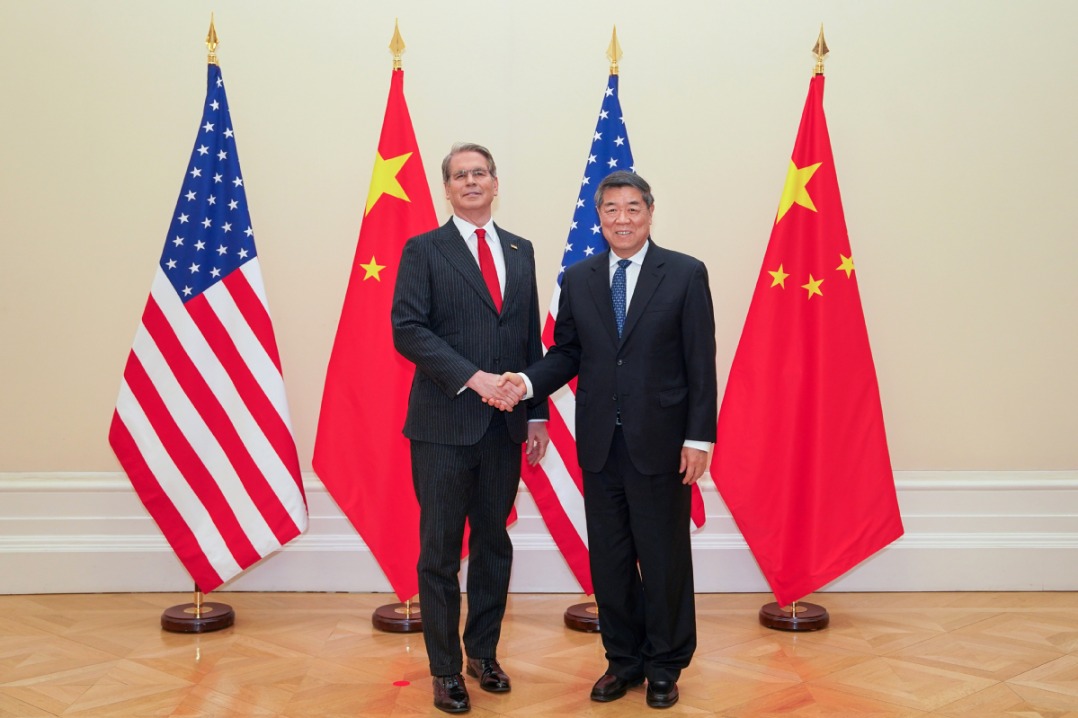
PARIS — In a significant diplomatic engagement, Chinese and American officials concluded two days of intensive economic discussions on Monday, marking a renewed effort to address longstanding trade disputes between the world’s two largest economies.
The high-level negotiations, led by Chinese Vice Premier He Lifeng and US Treasury Secretary Scott Bessent alongside US Trade Representative Jamieson Greer, produced what both sides characterized as “candid, in-depth and constructive” dialogues. The talks focused on critical issues including tariff arrangements, bilateral trade enhancement, investment facilitation, and maintaining previously established consultation agreements.
This latest round of economic diplomacy builds upon five previous rounds of talks conducted throughout last year, operating under the strategic guidance of mutual understandings reached between the Chinese and American heads of state. Vice Premier He emphasized that these ongoing discussions have already generated substantial outcomes that contribute significantly to stabilizing bilateral economic relations and reinforcing global economic predictability.
The negotiations occurred against a complex backdrop of recent trade policy developments. He specifically referenced the US Supreme Court’s landmark ruling declaring tariffs imposed under the International Emergency Economic Powers Act unlawful. Subsequently, the US administration implemented a comprehensive 10% import surcharge on all trading partners utilizing Section 122 of the Trade Act of 1974, while simultaneously initiating multiple restrictive measures targeting China, including Section 301 investigations, corporate sanctions, and market access limitations.
China’s delegation reiterated its firm opposition to unilateral American tariffs, urging complete elimination of these trade barriers and other restrictive policies. Vice Premier He stated unequivocally that China would undertake necessary measures to protect its legitimate rights and interests while expressing hope that both nations would move cooperatively toward implementing leadership consensus, expanding collaborative domains, and minimizing contentious issues.
American representatives acknowledged the critical importance of stable Sino-American economic relations for both nations and the global community, particularly regarding worldwide economic growth, supply chain security, and financial stability. Both parties committed to reducing trade frictions, preventing escalation of tensions, and resolving differences through continued consultation.
The delegations agreed to explore establishing a formal cooperation mechanism dedicated to promoting bilateral trade and investment, while continuing to utilize existing economic consultation frameworks. This includes enhancing dialogue channels, appropriately managing disagreements, expanding practical cooperation, and fostering sustained, stable development of economic and trade relations between the two economic superpowers.