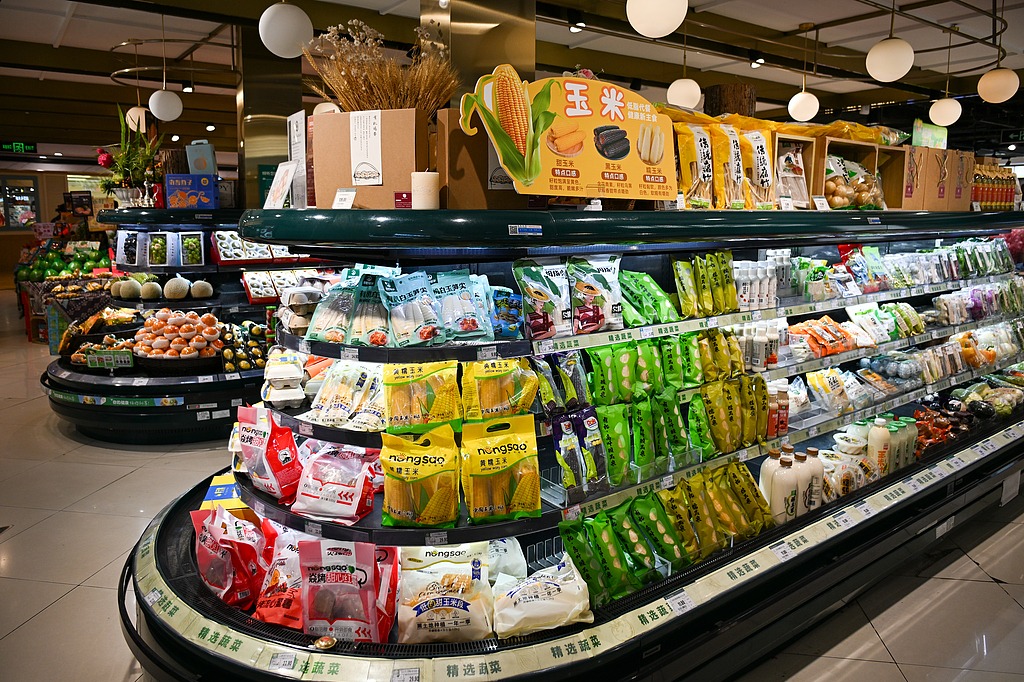
As two major public holidays approach, Chinese food safety regulators have launched a nationwide campaign to tighten regulatory oversight and enforcement, moving proactively to mitigate potential food safety hazards and guarantee a secure dining experience for consumers across the country.
In an official notice released recently, the Food Safety Office of the State Council called on local regulatory bodies at all levels to make advance arrangements and ramp up inspections across every link of the national food supply chain, spanning from primary production and wholesale distribution to retail and food service, ahead of the peak holiday consumption surge that typically accompanies the May Day and Dragon Boat Festival breaks.
The notice directs regulators to prioritize high-priority categories of food products, including staple goods with mass consumption, seasonal specialty items tied to the holidays, viral food products trending on social media and e-commerce platforms, and commercial health foods. Alongside targeted product checks, supervisory efforts will also be intensified at key high-traffic locations, including agricultural product wholesale markets, national retail chain outlets, and the country’s largest online e-commerce platforms.
Under the new regulatory requirements, food producers and distributors are mandated to strictly uphold their primary legal responsibility for the safety of their products. For their part, regulators will increase the frequency and depth of on-site inspections, and launch a targeted crackdown on common violations. These prohibited activities include manufacturing and selling counterfeit or substandard food products, running deceptive false advertising campaigns for food items, and the unauthorized use of unapproved or illegal food additives.
Special supervisory focus will also be placed on the food service sector, particularly large chain restaurant brands, catering services provided to organized tourist groups, and high-traffic online restaurants that rely heavily on food delivery orders. One key area of scrutiny is the growing problem of unregulated “ghost kitchens” — delivery-only food operations that lack compliant physical dining facilities and proper operating permits, which have been linked to repeated food safety outbreaks in recent years.
Institutions that provide group meal services to large numbers of people, including primary and secondary schools and other public organizations, are required to reinforce internal food safety management protocols and conduct comprehensive proactive risk assessments to address potential hazards before they cause harm. Local authorities have also been assigned the task of tightening oversight over large group banquets commonly held in rural areas during holiday seasons, a measure designed to prevent large-scale foodborne illness outbreaks that have occurred in past holiday periods.
In addition to routine on-site supervision, the campaign will expand the scope and frequency of random food safety sampling inspections throughout the holiday period. Targeted laboratory testing will be carried out on high-risk food products and seasonal holiday staples, most notably zongzi — the traditional glutinous rice dumplings that are the centerpiece of Dragon Boat Festival celebrations across the country.
To further strengthen public protection, the notice also calls for the optimization and expansion of accessible consumer complaint and incident reporting channels, ensuring that members of the public can quickly report suspected food safety issues and have their legitimate rights and interests effectively protected throughout the holiday season.