In a significant diplomatic development, Iran has pledged to guarantee safe navigation through the strategically vital Strait of Hormuz for vessels from all nations except those engaged in active hostilities against it. This assurance came during a high-level phone conversation between Iranian Foreign Minister Seyed Abbas Araghchi and Chinese counterpart Wang Yi on Tuesday.
The breakthrough follows China’s decision to assume a mediation role in the escalating US-Iran conflict, driven by concerns that further military escalation could jeopardize Beijing’s substantial energy infrastructure investments across the Middle East. Iranian officials emphasized their commitment to pursuing a comprehensive resolution rather than temporary ceasefires.
Concurrent with these developments, the United States has demonstrated a tempered approach as President Donald Trump agreed to postpone attacks on Iranian power facilities for five days, citing ongoing behind-the-scenes negotiations. However, this diplomatic pause coincides with reports of imminent deployment of 2,000 soldiers from the 82nd Airborne Division to the region, creating a complex landscape of dialogue and military preparedness.
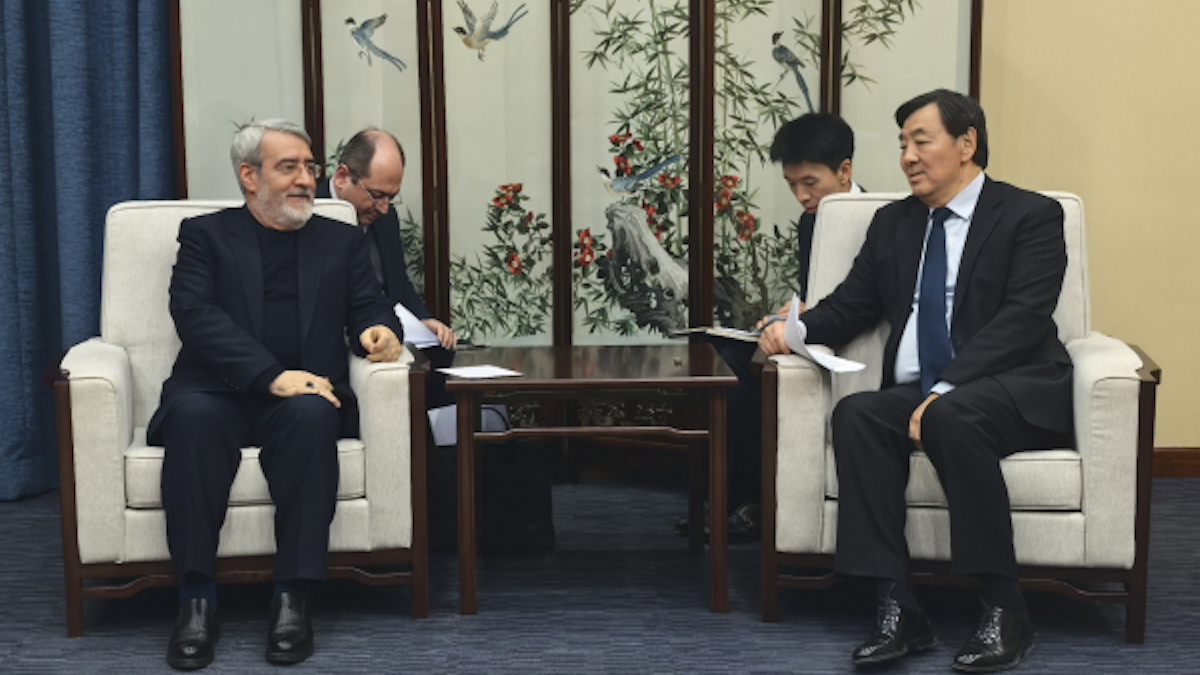
The Chinese mediation initiative gained momentum following a March 20 meeting in Beijing between Zhai Jun, China’s special envoy for Middle Eastern affairs, and Abdolreza Rahmani Fazli, Iran’s ambassador to China. Zhai subsequently emphasized China’s commitment to regional stability, warning that continued conflict would have devastating consequences for global energy markets and regional populations, with current casualty estimates exceeding 21,000.
Beijing’s diplomatic engagement represents a notable policy shift. Initially reluctant to involve itself in what Chinese officials characterized as ‘Trump’s war,’ China reconsidered its position following March 18-19 attacks on energy facilities across the Middle East, including critical infrastructure in Qatar and Saudi Arabia. These developments threatened China’s extensive energy investments and supply chains, compelling more active intervention.
Regional diplomacy continues to evolve with Pakistani Prime Minister Shehbaz Sharif offering to host US-Iran negotiations, while analysts note that Iran’s control over Hormuz transit has provided significant leverage in influencing regional dynamics and pressuring US allies.