In a significant escalation of diplomatic tensions, China has enacted sweeping sanctions against twenty American defense corporations and ten senior executives in response to Washington’s recently announced $10 billion arms package for Taiwan. The punitive measures, unveiled by China’s Foreign Ministry on Friday, include complete asset freezes within Chinese territory and comprehensive business prohibitions.
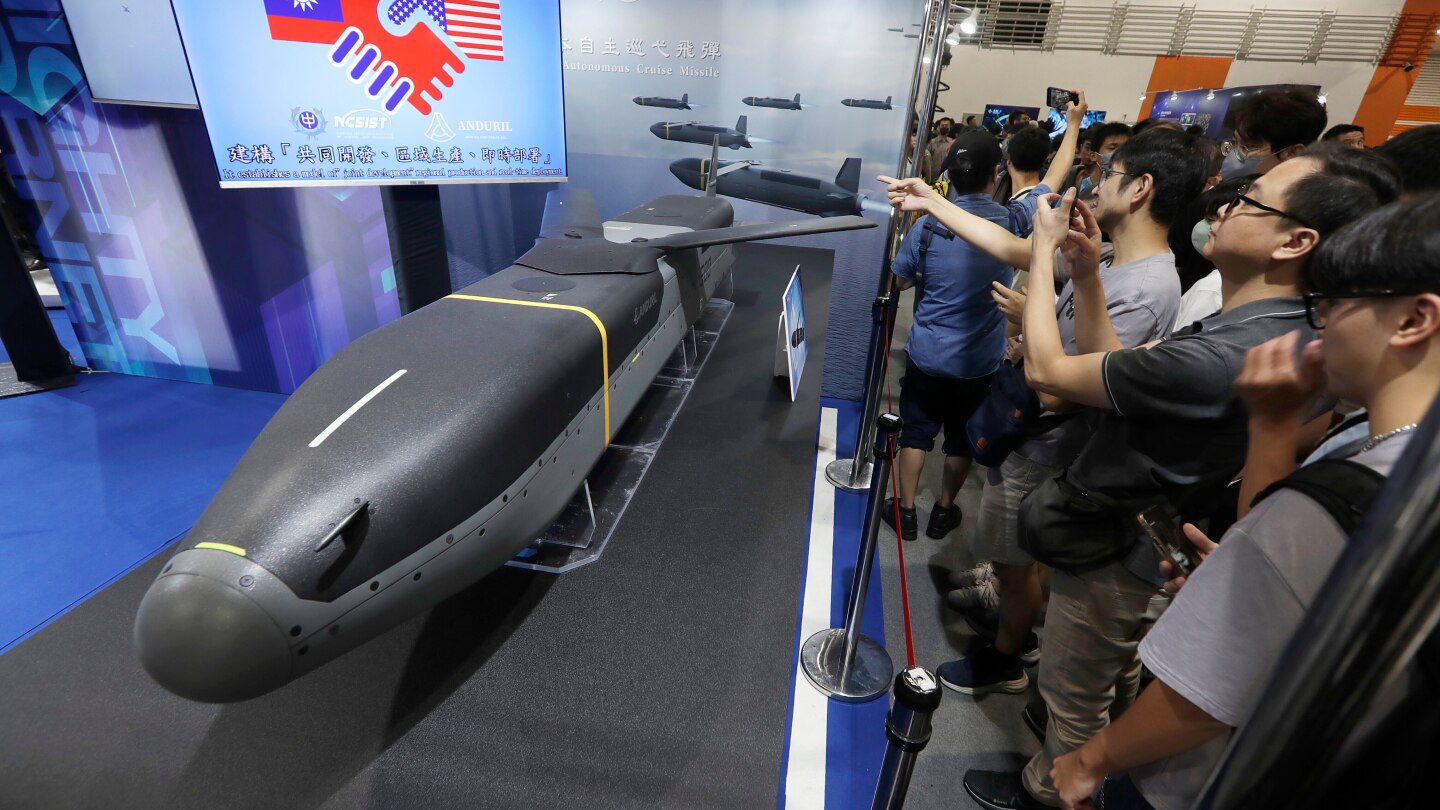
The sanctions list encompasses major defense contractors including Northrop Grumman Systems Corporation, L3Harris Maritime Services, and Boeing’s St. Louis division. Notably targeted is Palmer Luckey, founder of defense technology firm Anduril Industries, who now faces entry bans and business restrictions in China alongside the other sanctioned executives.
This decisive action comes precisely one week after the United States revealed its intention to proceed with what would become the largest-ever weapons transfer to Taiwan should it receive Congressional approval. Chinese authorities have characterized the proposed arms sale as ‘dangerous moves of arming Taiwan’ that violate established diplomatic agreements between the two nations.
The Chinese Foreign Ministry emphasized in an official statement: ‘The Taiwan question resides at the very core of China’s fundamental interests and represents the primary red line that must not be crossed in China-U.S. relations. Any entity or individual participating in arms sales to Taiwan will face consequences for their actions.’
Taiwan continues to serve as the most volatile flashpoint in Sino-American relations, with analysts expressing concern that the escalating tensions could potentially erupt into military confrontation. China has significantly intensified its military presence around Taiwan in recent years, conducting near-daily exercises involving warships and fighter jets in proximity to the island.
This development further strains already tense bilateral relations, which have been tested by ongoing disputes spanning trade, technology transfer restrictions, and human rights issues. The United States maintains its position that federal law obligates Washington to provide Taiwan with necessary self-defense capabilities, a stance that Beijing consistently challenges as interference in China’s internal affairs.