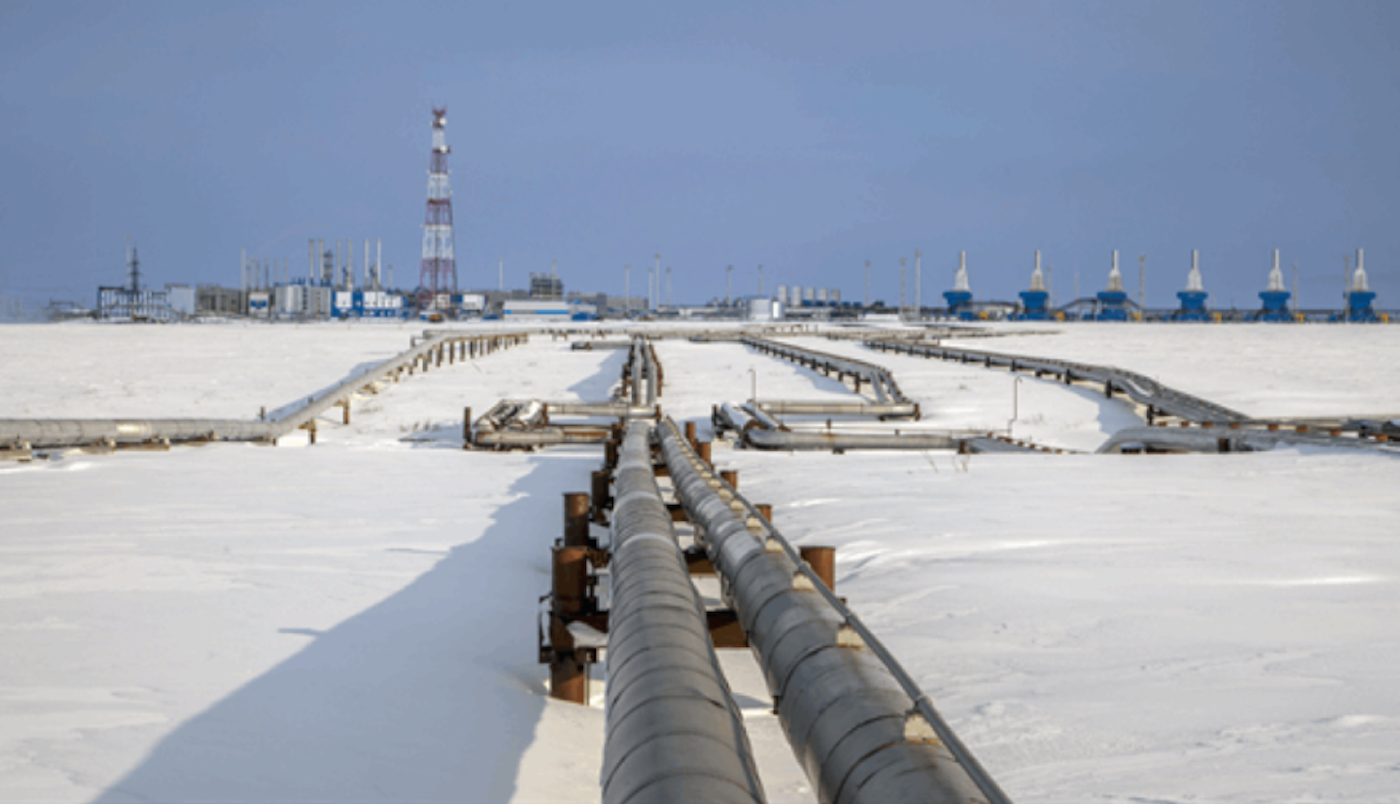
The recent agreement to construct the Power of Siberia 2 pipeline, set to transport 50 billion cubic meters of Russian natural gas to China annually via Mongolia, marks a pivotal shift in global geopolitics and energy markets. Analysts from both China and the West highlight the deal’s potential to redefine energy dynamics in Eurasia. On September 2, China, Russia, and Mongolia signed a legally binding memorandum of understanding (MOU) to advance the project, with Russia offering China a discounted gas price and China accepting the Mongolian route—a compromise that had previously been a sticking point due to concerns over energy security. The pipeline, expected to be operational by 2031–2032, will elevate Russia-China gas trade to 106 billion cubic meters annually, meeting approximately one-fifth of China’s current gas demand. The deal also promises economic benefits for Mongolia, including transit fees, job creation, and reduced air pollution, while bolstering its geopolitical standing. However, risks remain, including potential Western influence and Mongolia’s “Third Neighbor” policy, which seeks to diversify its international partnerships beyond China and Russia. The project underscores Russia’s strategic pivot to Asia amid strained relations with Europe, particularly following the Ukraine conflict, which has drastically reduced Russian gas exports to the EU. While China welcomes the economic and strategic advantages of the deal, it remains cautious about upsetting its relations with Europe. Western analysts warn that the pipeline could undermine efforts to contain Russia’s war in Ukraine, prompting calls for targeted sanctions against Russian energy companies and their Chinese partners.