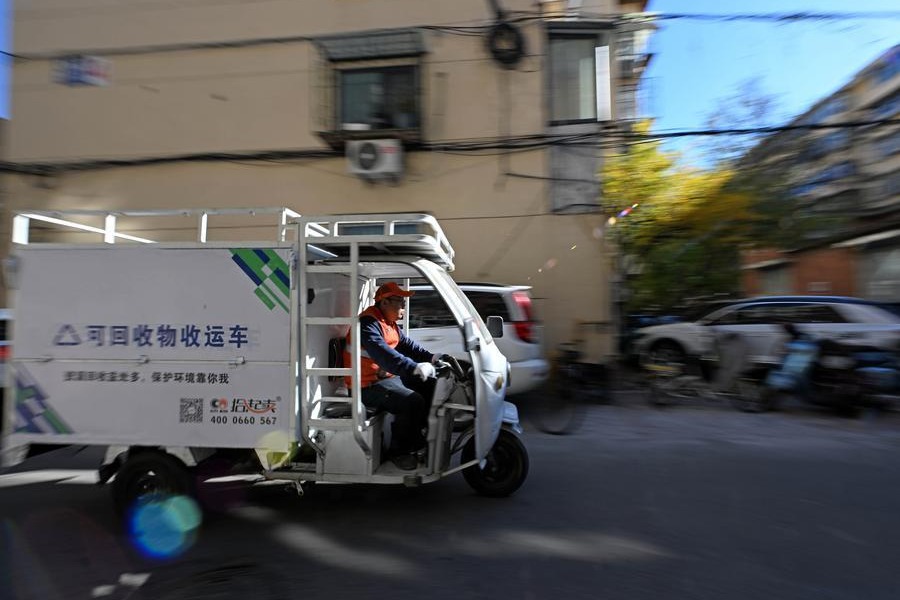
China has unveiled comprehensive revisions to its technical standards governing waste electrical and electronic products, marking a significant advancement in the nation’s environmental regulatory framework. The updated standards, announced by the Ministry of Ecology and Environment, will become effective on March 1, 2026, replacing previous regulations established in 2010.
This regulatory enhancement addresses China’s position as both the world’s largest manufacturer and consumer of electrical goods, where escalating volumes and diversification of electronic waste have created pressing environmental challenges. Ministry spokesperson Pei Xiaofei emphasized that the expanding variety of discarded electronics necessitates more sophisticated management approaches.
Key innovations within the revised framework include expanded categorization that now encompasses emerging electronic products such as self-service kiosks, retail checkout systems, unmanned aerial vehicles, wearable smart devices, and intelligent automotive components. The standards also introduce refined protocols for pollution control during storage and dismantling processes, addressing critical environmental protection concerns.
The regulatory update builds upon more than a decade of systematic e-waste management during which Chinese authorities have processed over one billion major appliances including televisions, refrigerators, washing machines, air conditioners, and computers. This effort has facilitated the proper recycling or disposal of approximately 22 million tonnes of dismantled materials through formal channels.
Looking forward, the ministry will guide regional authorities and industry enterprises in implementing these enhanced requirements while intensifying enforcement actions against illegal practices including open-air dumping and non-compliant dismantling operations. This comprehensive approach demonstrates China’s commitment to balancing technological advancement with environmental responsibility in its rapidly evolving electronics ecosystem.