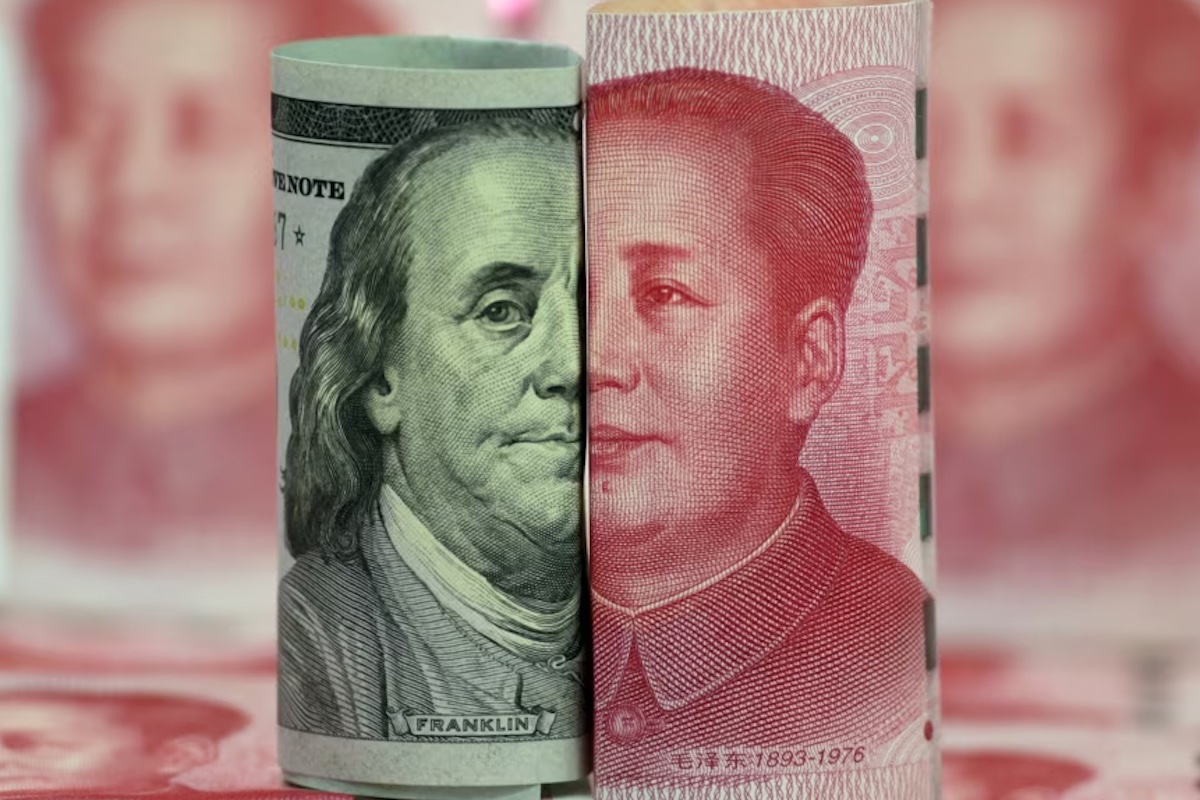
Financial markets are closely monitoring Beijing’s potential strategic shift away from US Treasury securities, a move that could fundamentally reshape global economic dynamics. Reports indicate that China, America’s second-largest financier in Asia, is advising financial institutions to decrease exposure to US government debt amid growing concerns about fiscal sustainability.
This development occurs against the backdrop of unprecedented US debt accumulation, which has surpassed $39 trillion under the Trump administration’s policies. Market analysts note that while China appears unlikely to initiate large-scale immediate selling, even gradual reductions could signal diminishing confidence in dollar-denominated assets.
Historical context reveals this isn’t entirely unprecedented. Former Premier Wen Jiabao expressed similar concerns in 2009 regarding China’s substantial loans to the United States, emphasizing the need for Washington to maintain its creditworthiness. These worries materialized when S&P Global downgraded the US credit rating from AAA to AA+ in 2011.
The current administration’s approach has exacerbated these concerns through multiple channels: significant tax cuts, expansive pandemic-related spending, and the weaponization of dollar-based financial systems for geopolitical purposes. Economist Eswar Prasad of the Brookings Institution observes that ‘the institutions that have underpinned the dollar’s dominance are being shredded before our eyes.’
Market professionals offer contrasting perspectives. Kathleen Brooks of XTB suggests any Chinese selling would likely be ‘slow and gradual,’ while UBS economist Paul Donovan notes markets are attentive to reduced future appetite for US debt among international investors. Meanwhile, Oxford Economics CEO Innes McFee contends that ‘there’s no real evidence of capital outflows out of US assets,’ emphasizing continued global exposure to American markets.
The potential implications are profound. Any substantial reduction in Chinese Treasury holdings could increase US borrowing costs, potentially triggering global financial instability. However, most analysts consider abrupt large-scale selling unlikely given the mutually destructive consequences such action would entail for both economies.
This situation represents the culmination of long-standing tensions regarding dollar dependency and reflects broader geopolitical realignments as nations reconsider traditional financial safe havens in an increasingly fragmented global economic landscape.