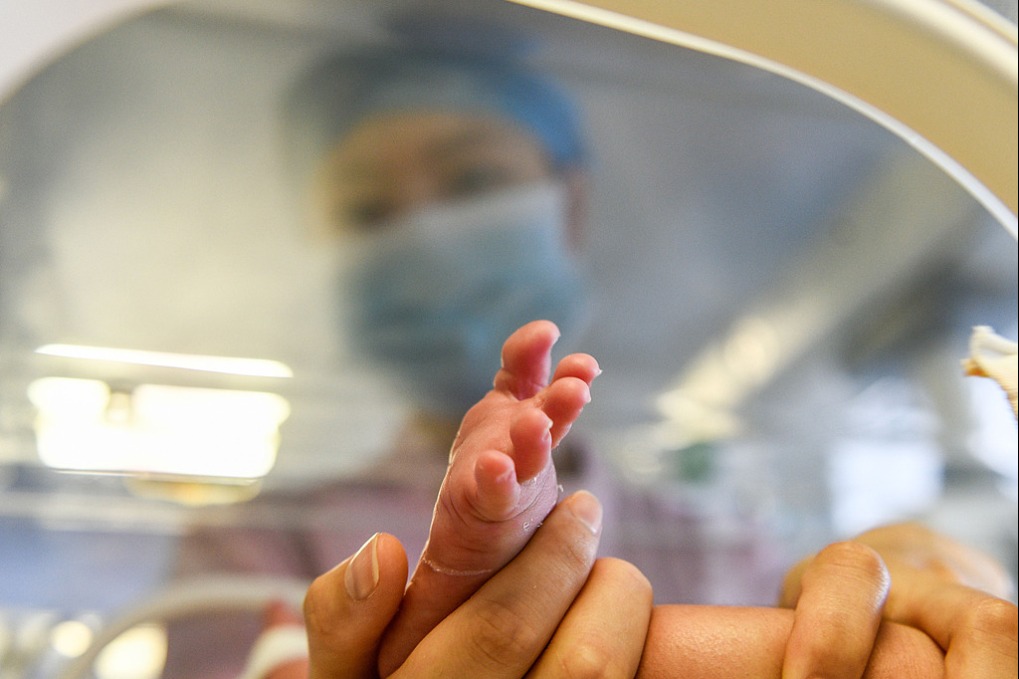
China’s National Healthcare Security Administration has announced sweeping reforms targeting demographic challenges and pharmaceutical innovation. Director Zhang Ke outlined these priorities at the annual work conference, revealing plans to achieve nationwide full reimbursement for childbirth-related medical expenses by 2026.
The initiative responds to China’s dual demographic pressures of declining birth rates and rapid aging. The administration will expand maternity insurance coverage for prenatal checkups while creating a standardized service package to reduce family financial burdens. Seven provinces have already implemented near-zero cost childbirth policies, with insurance enrollment among women reaching 255 million nationwide.
Concurrently, authorities are enhancing support for innovative drugs and technologies. The national reimbursement drug list has grown to 3,253 medications after adding 949 new drugs during the 14th Five-Year Plan period. A landmark development includes China’s first commercial insurance innovative drug list, featuring 19 clinically significant medications.
The reforms extend to vulnerable populations through expanded long-term care insurance, currently covering 300 million people. Flexible workers, migrant laborers, and new employment forms will receive increased maternity insurance access. Technological integration will advance through AI-assisted diagnosis systems and real-world data evaluation frameworks.
Financial protections remain robust, with basic medical insurance maintaining 95% coverage and preventing 9.5 billion yuan in losses through smart monitoring. These measures align with the recent Central Economic Work Conference’s emphasis on demographic challenges and healthcare innovation.