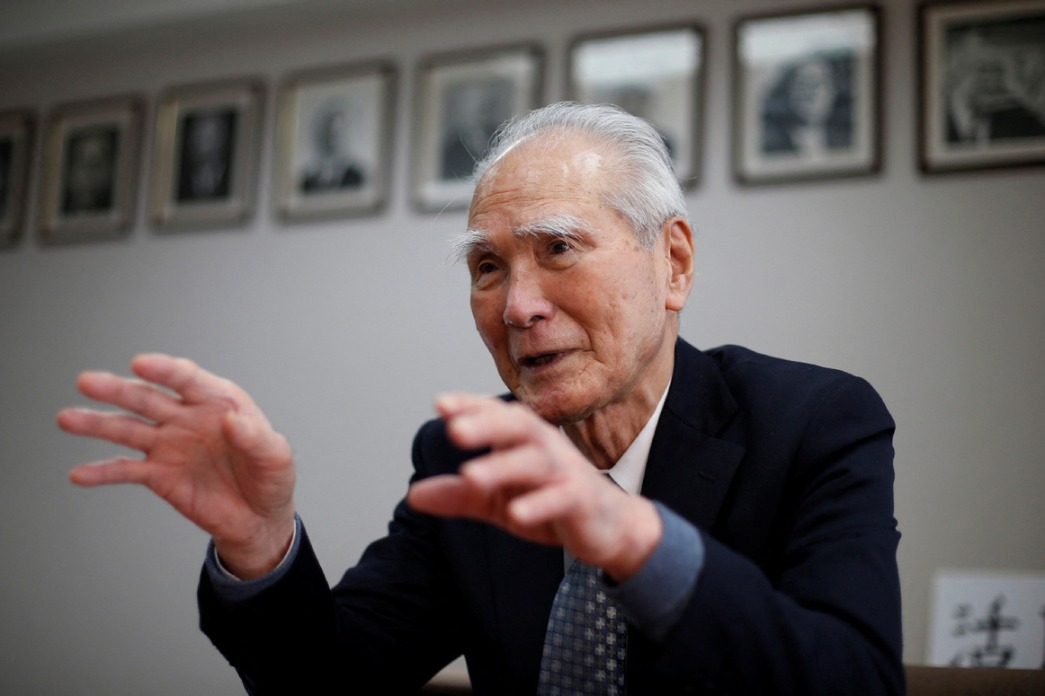
China has expressed profound sorrow over the death of former Japanese Prime Minister Tomiichi Murayama, a pivotal figure in Japan’s post-war reconciliation efforts. Murayama, who passed away at the age of 101 in his hometown of Oita, was the first Japanese leader to issue an official apology for Japan’s wartime atrocities, earning global recognition and fostering trust between Japan and its neighbors. The Chinese Foreign Ministry extended heartfelt condolences to his family, praising Murayama as a principled statesman and a steadfast friend of China. His 1995 ‘Murayama Statement,’ which acknowledged Japan’s colonial rule and aggression in Asia, remains a cornerstone of Japan’s commitment to historical accountability. Foreign Ministry spokesman Lin Jian emphasized the enduring significance of the statement, urging Japan to honor its pledge with sincerity. Lin also called for strengthened bilateral ties between China and Japan, rooted in mutual respect and a shared vision for peace. Takakage Fujita, secretary-general of the Association for Inheriting and Propagating the Murayama Statement, highlighted the importance of preserving Murayama’s legacy, particularly in educating younger generations about Japan’s wartime history. Mizuho Fukushima, leader of the Social Democratic Party, mourned Murayama as her ‘political father,’ underscoring the profound impact of his leadership. As Japan’s political landscape shifts toward conservatism, experts like Zhou Yongsheng of China Foreign Affairs University stress the need for Japanese leaders to uphold Murayama’s principles of peace and historical reflection. The Chinese Foreign Ministry also urged Japan to address contentious issues such as visits to the Yasukuni Shrine, which honors war criminals, and to reject militarism unequivocally.