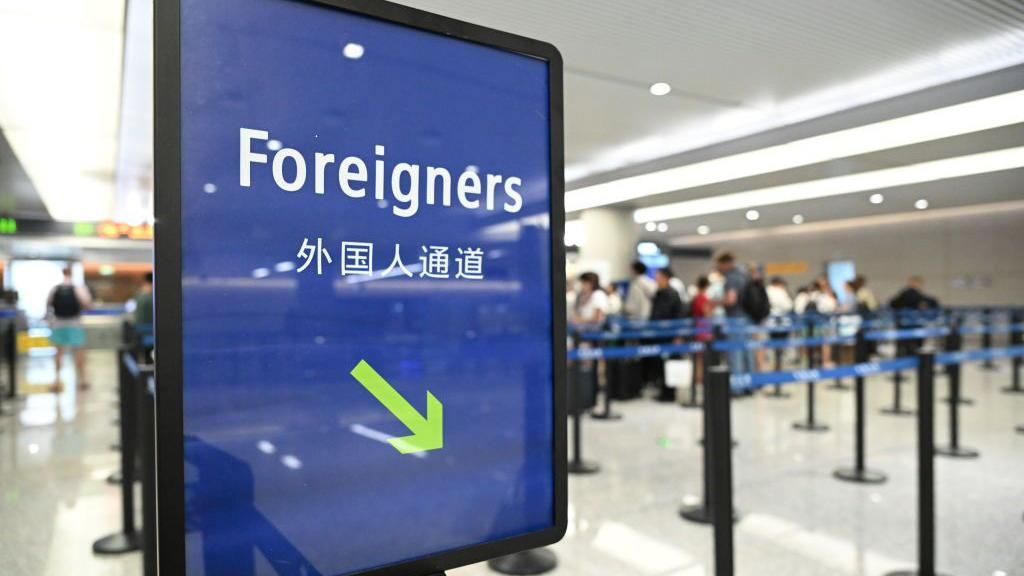
China’s recently introduced K visa, aimed at attracting foreign professionals in science, technology, engineering, and mathematics (STEM), has ignited a heated public debate. Initially announced in August, the visa gained significant attention last week when an Indian media outlet likened it to the U.S. H-1B visa, a program heavily utilized by Indian nationals. This comparison has fueled concerns among Chinese citizens about increased competition in an already sluggish job market and the potential influx of foreign talent into a country historically not known as a major immigration destination. Despite the lack of clarity on whether the K visa permits foreign professionals to work in China or merely facilitates easier entry, tens of thousands of Chinese social media users have criticized the initiative, questioning its necessity given the abundance of domestic talent. Some comments also raised xenophobic and racist sentiments, particularly targeting Indian nationals. In response, Chinese state media, including the Global Times and the People’s Daily, have sought to assuage public fears by emphasizing the visa’s role in showcasing China’s openness and confidence on the global stage. The K visa, which does not require employer sponsorship, offers flexibility in terms of entry frequency, validity, and duration of stay. However, its exact scope remains undefined, leaving many to wonder if it will allow qualified foreigners to work in China. The timing of the K visa’s launch coincides with the Trump administration’s decision to increase H-1B application fees, a move that has drawn criticism from countries like India and China. This development is part of China’s broader strategy to attract international talent, including visa exemption agreements with 75 countries and efforts to recruit top academics from U.S. institutions. However, experts caution that challenges such as language barriers and China’s tightly controlled political environment may hinder the visa’s effectiveness. The public backlash underscores the need for clear communication and consensus-building to ensure the initiative’s success.