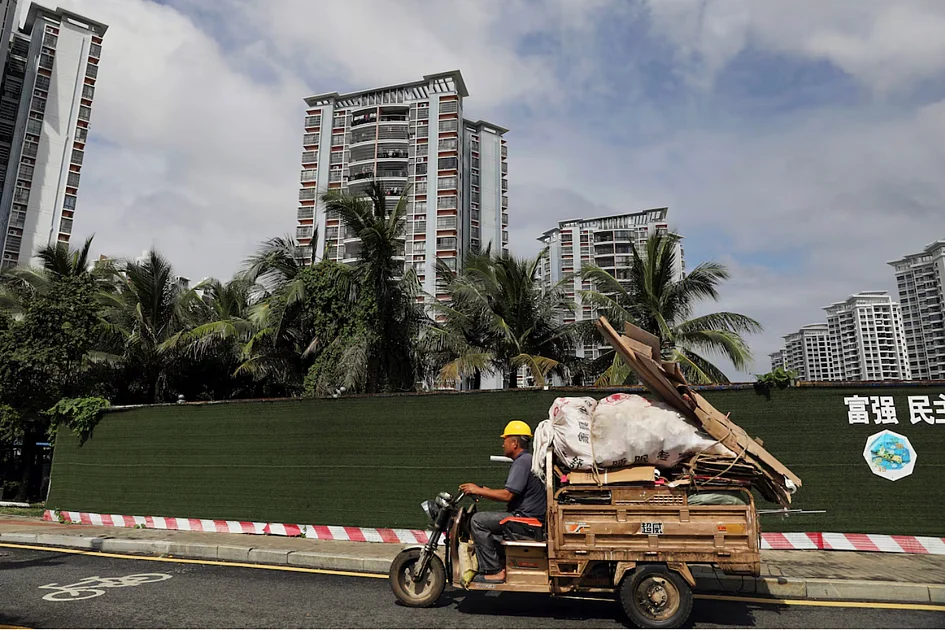
China has initiated a groundbreaking economic experiment by transforming its southern island province of Hainan into a massive free trade port, marking one of Beijing’s most ambitious market liberalization efforts to date. The newly launched Hainan Free Trade Port, with an economy comparable to the world’s 70th largest nation, has been officially separated from mainland customs processing in a strategic move to establish a Hong Kong-style commercial hub.
The project represents a significant component of China’s broader strategy to enhance its free-trade credentials and potentially join the Comprehensive and Progressive Agreement for Trans-Pacific Partnership (CPTPP). Under the new framework, foreign goods achieving at least 30% local value-added content can enter China’s massive consumer market tariff-free, while international firms gain access to service sectors traditionally restricted on the mainland.
Chinese Vice Premier He Lifeng characterized the initiative as a “major strategic decision” and “vital gateway” for China’s new era of global economic engagement. The timing appears strategically significant, coming amid ongoing trade tensions with the United States and China’s efforts to diversify its $19 trillion economy while strengthening its position in global supply chains.
Economic analysts note that Hainan’s transformation serves multiple strategic purposes: boosting foreign investment amid a 10.4% year-on-year decline in FDI during the first three quarters of 2025, enhancing China’s regional trade connectivity with Southeast Asia, and creating a testing ground for market liberalization policies that could eventually expand nationwide.
However, experts caution that significant challenges remain. The island province, with its $113 billion GDP, must compete with established hubs like Hong Kong ($407 billion economy) while lacking comparable legal systems and financial openness. Additionally, trade negotiators question whether CPTPP members will view the project as sufficient evidence of China’s commitment to economy-wide reforms required for membership in the high-standard trade bloc.