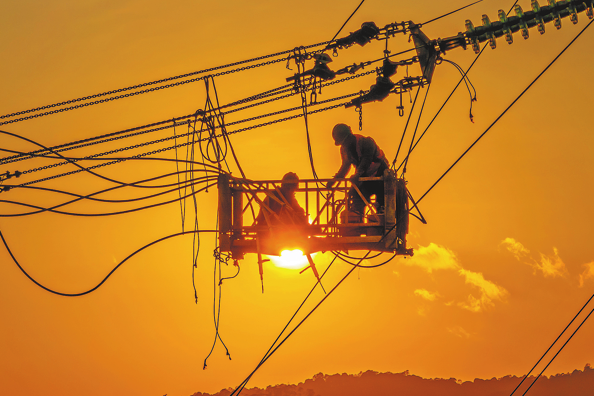
A landmark energy infrastructure project connecting China and Laos has achieved a critical construction milestone, positioning the Lancang-Mekong region for enhanced clean energy collaboration. The China-Laos 500-kilovolt power interconnection project completed full transmission line connectivity on Thursday, signaling the final phase before its scheduled April operational launch.
Engineers from both nations have been working intensively to realize this cross-border electricity highway, which represents one of the most significant energy cooperation initiatives in Southeast Asia. The high-voltage transmission system spans challenging terrain to create a sustainable energy corridor between the neighboring countries.
According to China Southern Power Grid Lancang-Mekong International Company, the completed infrastructure will enable bidirectional power flow capacity of 1.5 million kilowatts upon commissioning. This substantial transfer capability will facilitate annual electricity exchanges of approximately 3 billion kilowatt-hours of renewable-sourced power between the two nations.
The environmental implications are substantial, with projections indicating the project could reduce regional carbon dioxide emissions by roughly 2.5 million metric tons annually. This reduction equivalent to removing hundreds of thousands of gasoline-powered vehicles from roadways each year.
Energy analysts highlight that this interconnection establishes a template for cross-border clean energy partnerships across the Mekong subregion. The project demonstrates how shared infrastructure can optimize renewable resource distribution while supporting climate commitments made by both China and Laos.
The timing coincides with increasing regional emphasis on sustainable development and energy security. The interconnection allows Laos to leverage its hydropower resources while accessing China’s more diverse energy portfolio during seasonal variations.
Project developers emphasize that the infrastructure will enhance grid stability and reliability for both nations while creating economic opportunities through energy trade. The collaboration represents a concrete manifestation of the Belt and Road Initiative’s focus on mutually beneficial infrastructure development.
As construction teams prepare for the final commissioning phase, energy policymakers across Southeast Asia are monitoring the project’s operational performance as a potential model for future cross-border clean energy initiatives.