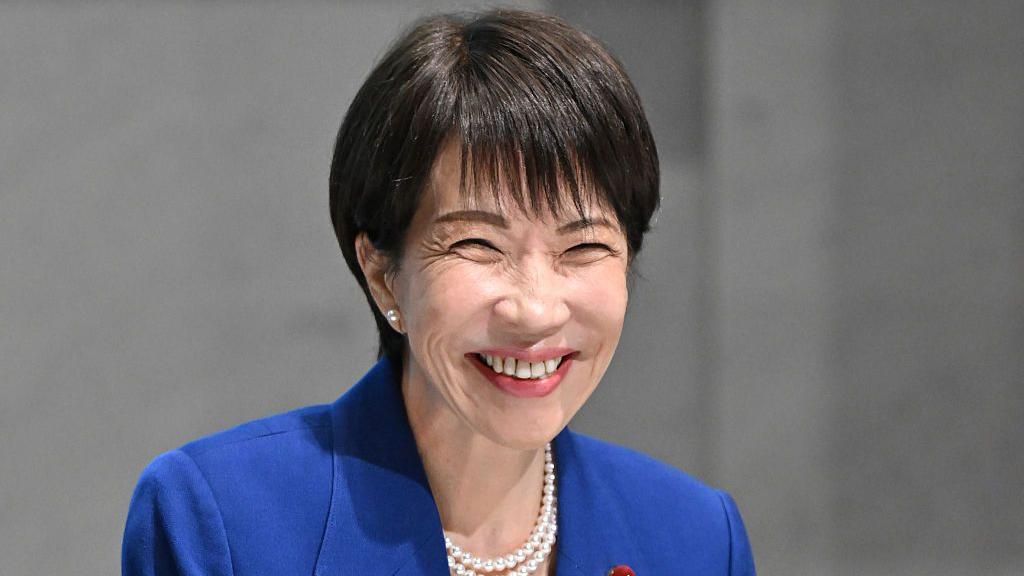
The recent return of giant pandas Xiao Xiao and Lei Lei from Tokyo’s Ueno Zoo to China marks more than just the end of an era in Sino-Japanese cultural exchange—it symbolizes the rapid deterioration of bilateral relations to their lowest point in decades. This diplomatic crisis emerged following Japanese Prime Minister Sanae Takaichi’s November comments suggesting Japan would activate its self-defense forces in response to any attack on Taiwan, crossing what China considers an “absolute red line” regarding its territorial sovereignty.
Beijing’s response has been multifaceted and sustained, employing what analysts describe as “greyzone warfare” tactics across diplomatic, military, economic, and cultural fronts. Beyond recalling its pandas—a powerful symbol of friendship—China has deployed warships near Japanese territories, restricted exports of critical rare earth minerals, canceled flight routes, discouraged tourism to Japan, and halted cultural exchanges including music events and film releases.
The situation differs from previous bilateral spats due to both China’s expanded capabilities and Prime Minister Takaichi’s strengthened domestic position following her historic electoral victory. Analysts from the Center for Strategic and International Studies note that while China’s responses have been relatively measured compared to past conflicts, there remains “ample room for further escalation.” Takaichi, emboldened by her strong mandate, has refused to retract her Taiwan comments while pledging to accelerate defense spending increases to 2% of GDP.
Complicating the geopolitical landscape is the role of the United States, which has offered strong support for Takaichi’s government but remains unpredictable in its China policy. Some experts express concern that potential warming US-China relations, including scheduled meetings between President Trump and Xi Jinping, might lead to a “grand bargain” that could leave Japan strategically isolated. As both nations dig in their positions, analysts predict sustained tensions that will fundamentally reset the relationship at a more confrontational level than before the crisis.