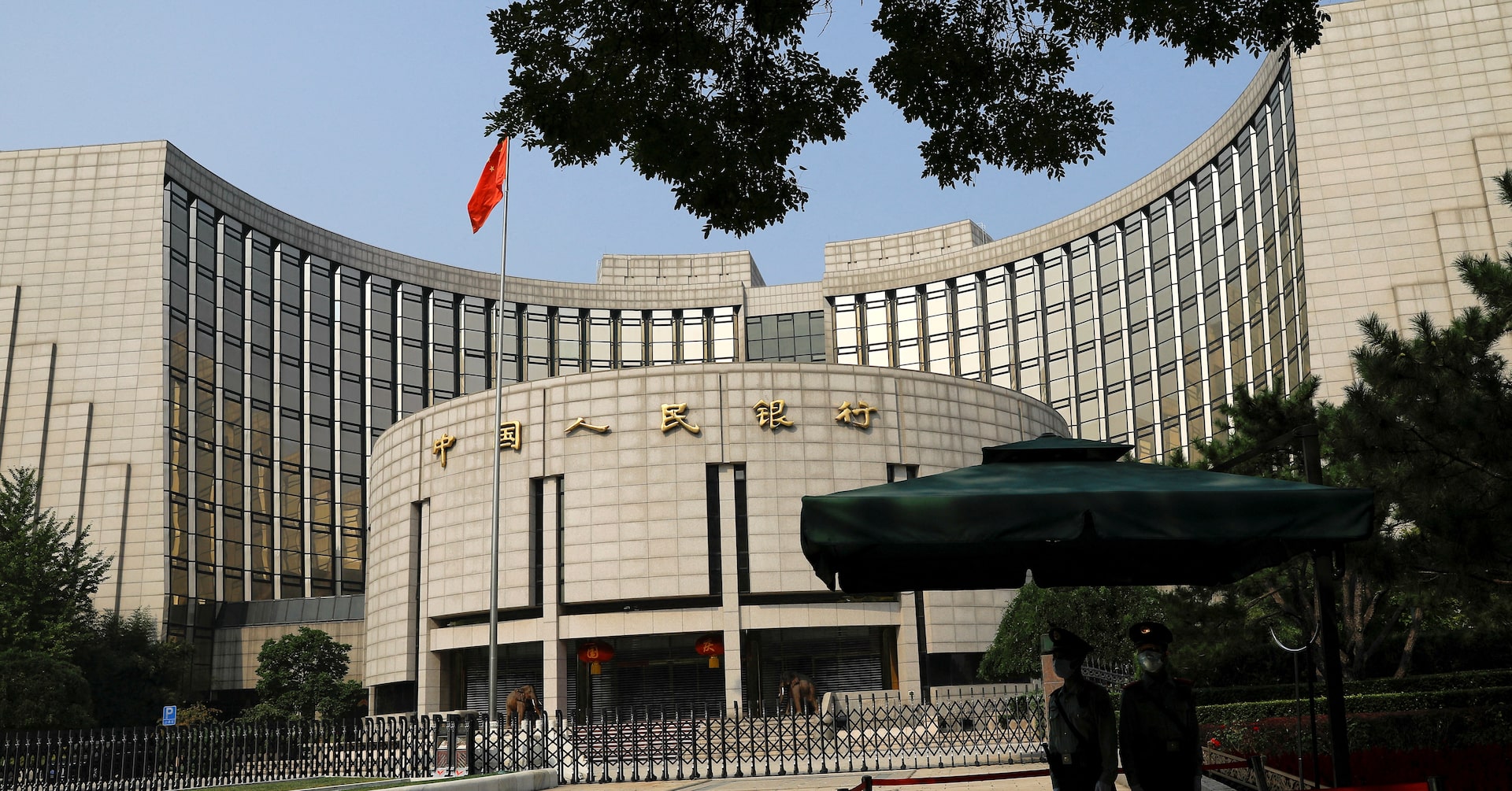
China is anticipated to keep its benchmark lending rates unchanged for the fourth consecutive month, according to a Reuters survey. This decision follows the People’s Bank of China’s (PBOC) move to hold steady a key policy rate after the U.S. Federal Reserve’s recent rate cut. Despite signs of economic deceleration, Chinese authorities seem reluctant to implement significant stimulus measures, buoyed by resilient export figures and a recent stock market rally. The loan prime rate (LPR), which is typically applied to banks’ top clients, is determined monthly based on submissions from 20 designated commercial banks to the PBOC. All 20 market watchers surveyed by Reuters predicted that both the one-year and five-year LPRs would remain at 3.00% and 3.5%, respectively. A brokerage trader noted that any adjustments to the LPRs would likely follow reductions in the policy rate, specifically the seven-day reverse repo rate, which the PBOC left unchanged last Thursday. While most new and outstanding loans in China are tied to the one-year LPR, the five-year rate affects mortgage pricing. Both rates were last reduced by 10 basis points in May. Analysts at Barclays highlighted that although the recent economic slowdown has increased the urgency for new stimulus, the likelihood of substantial fiscal measures may be diminished if the trade truce between the U.S. and China holds. However, some experts predict marginal monetary easing later this year to help China achieve its annual growth target of around 5%. Larry Hu, chief China economist at Macquarie, suggested that policymakers might take incremental steps to stabilize the economy, emphasizing that major stimulus is unnecessary to meet the GDP target.