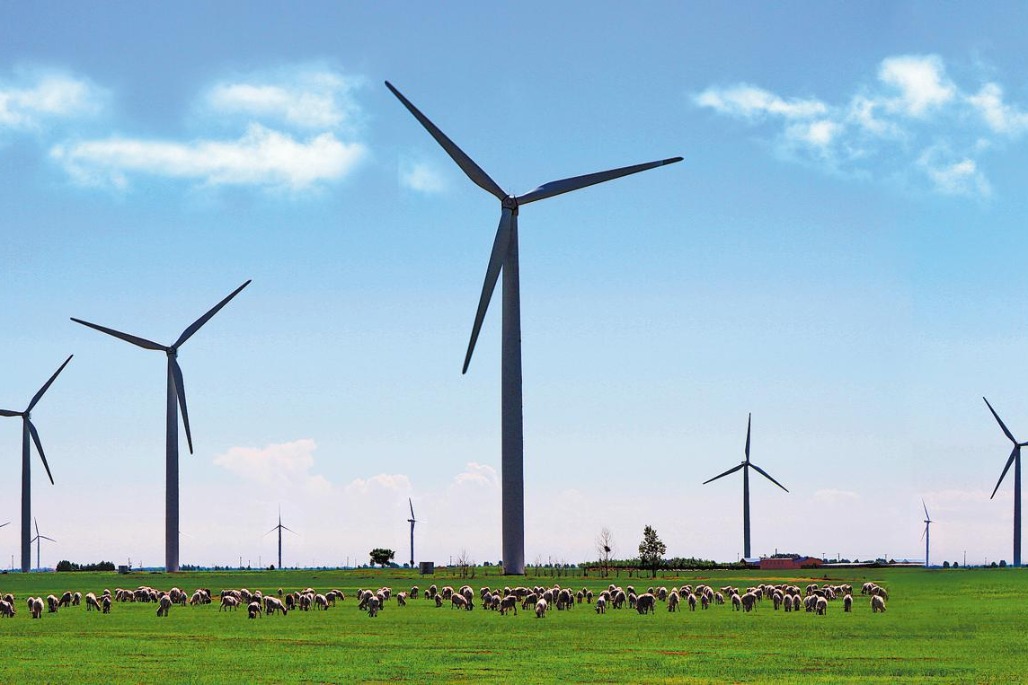
China has emerged as the world’s preeminent force in renewable energy generation and clean technology manufacturing through the strategic development of its sustainable finance system, which has progressively integrated international standards while maintaining distinctive national characteristics, according to a landmark United Nations Environment Programme report.
The comprehensive analysis, drawing from systematic review of over 50 Chinese policy documents, reveals how China has constructed a multilayered green finance framework over the past eighteen years. This system blends historically steeped administrative approaches with innovative experimentation, fundamentally guided by the nation’s ecological civilization philosophy while simultaneously addressing both green transition objectives and broader socioeconomic development goals.
Zhu Shouqing, China Policy Advisor at the UN Environment Programme Finance Initiative, presented these findings at the 2026 CSO Global Summit, highlighting how China’s financial mechanisms are systematically redirecting the economy from natural resource dependency toward innovation and capital-driven growth models. The report identifies a clear pattern of gradual transition and harmonization in China’s approach to sustainable finance.
Over two decades, China has methodically embedded sustainability considerations into its national development framework, establishing economy-wide environmental goals while creating enabling conditions for green and low-carbon advancement. These measures demonstrate intentional alignment with global frameworks including the 2015 Paris Agreement, the 2022 Kunming-Montreal Global Biodiversity Framework, and the UN Sustainable Development Goals.
The evolution of China’s green finance concept reflects this strategic balancing act. Initially focused primarily on environmental protection, the scope has significantly expanded to incorporate climate considerations, environmental factors, and broader social governance elements. This progression represents a shift from domestically-driven policy initiatives toward internationally integrated practices that maintain responsiveness to China’s unique developmental context and energy resource endowment characterized by coal abundance alongside oil and gas deficiencies.