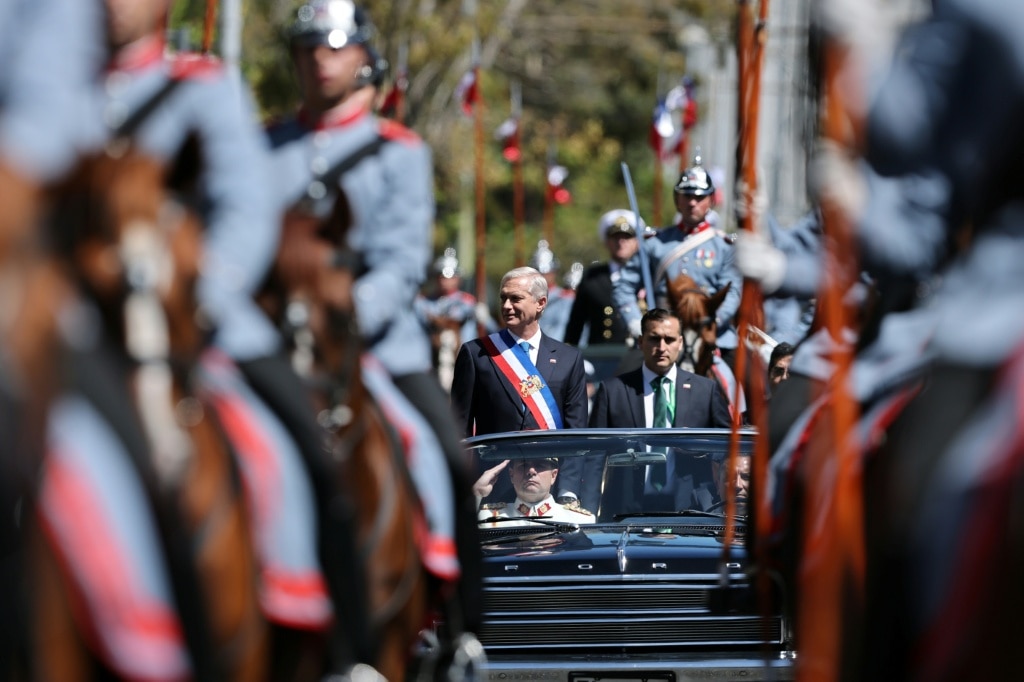
Chile has inaugurated its most right-wing president since the military dictatorship of Augusto Pinochet, with José Antonio Kast assuming office Wednesday amid promises to combat escalating violent crime and implement extensive migrant deportations. The 60-year-old ultraconservative leader took his oath before Congress in Valparaíso, marking a significant political shift in a nation that has maintained center-left governance for much of its post-dictatorship era.
Kast’s inauguration signals Chile’s alignment with a growing regional trend toward law-and-order conservatism, joining neighboring nations like Argentina and Ecuador in embracing right-wing leadership. The ceremony was attended by several prominent regional figures including Argentina’s libertarian President Javier Milei, Ecuador’s crime-fighting leader Daniel Noboa, and exiled Venezuelan opposition figure María Corina Machado.
The new administration immediately faces complex geopolitical considerations, particularly regarding a controversial submarine fiber optic cable project linking Chile with Hong Kong—a initiative that has drawn security concerns from Washington and created tension during the transition from outgoing leftist President Gabriel Boric.
Kast’s political platform draws notable inspiration from former U.S. President Donald Trump’s policies, particularly regarding immigration enforcement and border security. His participation in Trump’s recent Shield of the Americas summit in Florida positions Chile as another American ally in a region where Washington is reasserting influence. The president has vowed to deport hundreds of thousands of undocumented migrants, predominantly Venezuelans, and strengthen border controls in northern Chile.
The cabinet appointments have generated controversy, with Kast selecting two lawyers who previously defended Pinochet’s regime for key justice and defense portfolios. His choice for women’s affairs minister—an evangelical anti-abortion activist—has further alarmed opposition groups and human rights organizations. Political analysts note that Kast represents a conservative ideology unprecedented since Chile’s return to democracy in 1990, with his administration likely to test the resilience of the country’s democratic institutions.
Despite these concerns, many Chileans express optimism about Kast’s tough-on-crime agenda in a nation that has recently experienced rising rates of murder, kidnapping, and extortion—though Chile remains one of Latin America’s safest countries. The new government has promised enhanced police capabilities, military deployment to high-crime areas, and streamlined deportation procedures for undocumented immigrants.